Doctor's Orders: How Medical Necessity Taught Americans to Buy Peace of Mind
The Original Prescription for Escape
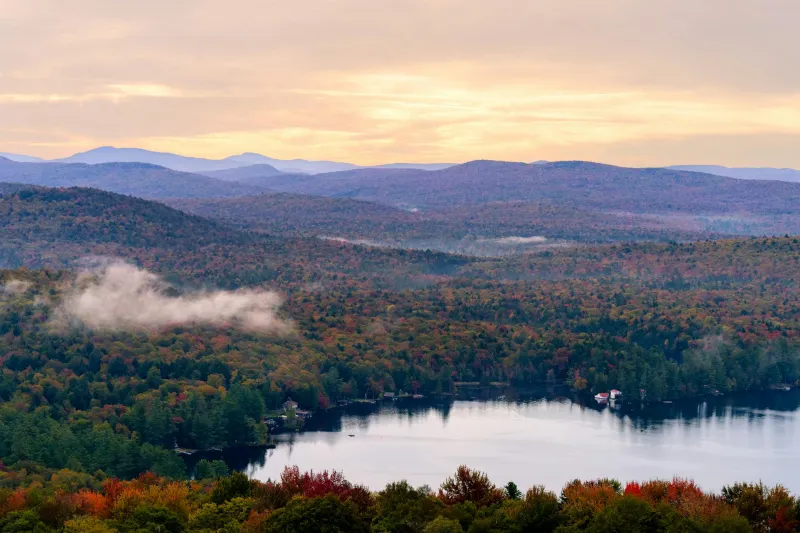
In 1884, a Philadelphia banker named Edward Trudeau arrived in Saranac Lake, New York, carrying little more than his medical death sentence and a radical idea. Diagnosed with tuberculosis—the era's leading killer—Trudeau had been told to prepare his affairs. Instead, he built the first American tuberculosis sanatorium, launching what would become a $4.2 billion wellness tourism industry.
The transformation wasn't accidental. It followed the same psychological pattern that has driven American consumer behavior for 150 years: repackaging medical anxiety as luxury experience, then selling that experience back to people who no longer need the medicine.
The Geography of Authorized Rest
Trudeau's Adirondack Cottage Sanitarium established the fundamental architecture of American wellness tourism. Patients—never called customers—paid substantial fees to live in spartan accommodations under strict medical supervision. The daily routine included prescribed rest periods, regulated exercise, monitored diet, and what physicians termed "graduated exposure to natural elements."
The language mattered. This wasn't vacation; it was treatment. Families didn't question the expense because doctors had prescribed it. The wealthy consumptives who flocked to Saranac Lake, Asheville, and Colorado Springs weren't indulging themselves—they were following medical orders.
By 1900, tuberculosis sanatoriums operated in forty-seven states, each promising the same formula: escape from urban contamination, submission to expert authority, and restoration through enforced idleness. The American Sanatorium Association standardized everything from room ventilation to meal timing, creating the first national network of medicalized retreats.
From Cure to Commodity
The sanatorium model worked too well. As tuberculosis mortality declined through improved urban sanitation and antibiotic development, the infrastructure remained. The Greenbrier in West Virginia, originally built for tuberculosis treatment, pivoted to "general health restoration." The Broadmoor in Colorado Springs expanded from tuberculosis sanatorium to luxury resort. Canyon Ranch founder Mel Zuckerman explicitly modeled his Tucson spa on 1930s desert sanatoriums.
The transition revealed something crucial about American psychology: we had learned to associate healing with temporary exile from ordinary life, but we still needed institutional permission to justify the expense.
The Persistent Need for Medical Theater
Modern wellness tourism maintains the sanatorium's essential structure while discarding its medical honesty. Today's retreat centers employ "wellness consultants" instead of doctors, prescribe "digital detoxes" instead of rest cures, and promise "cellular regeneration" instead of tuberculosis treatment. The language has evolved, but the underlying transaction remains identical: paying experts to authorize what previous generations called vacation.
Consider the modern spa menu. "Lymphatic drainage massage" echoes the sanatorium's emphasis on bodily purification. "Mindfulness meditation sessions" replicate the enforced quiet hours. "Nutritional consultations" mirror the supervised meals. Even the architecture persists—remote locations, natural materials, minimalist design—all inherited from tuberculosis treatment centers.
The Economics of Justified Leisure
Americans spend more on wellness tourism than any other nationality, not because we're unhealthier, but because we've internalized the sanatorium's central premise: leisure requires medical justification. European visitors to American spas consistently note our need for elaborate therapeutic explanations for simple relaxation.
This psychological inheritance explains why American wellness retreats emphasize measurable outcomes—weight loss, stress reduction, "toxin elimination"—while their European counterparts simply promise pleasant experiences. We still need our rest prescribed by authorities, our escape validated by expertise.
The Sanatorium's Lasting Legacy
The tuberculosis sanatorium solved a distinctly American problem: how to sell rest to a culture that equates activity with virtue. By medicalizing leisure, the sanatorium model allowed Americans to purchase peace of mind without admitting they were simply tired.
That solution became permanent. Modern wellness tourism thrives because it maintains the sanatorium's essential fiction—that we need expert supervision to do nothing, professional guidance to rest, and medical authority to justify temporary escape from productive life.
The next time you consider booking a wellness retreat, recognize the transaction's true nature. You're not purchasing health; you're buying the same thing Edward Trudeau's patients sought in 1884—permission to stop moving, validated by people in white coats, in a place far enough from home that no one expects you to answer emails.
The cure became the vacation, but the vacation still needs to pretend it's medicine. That's the sanatorium's most enduring legacy: teaching Americans to medicalize the simple human need for rest, then charging premium prices for the prescription.