The Economics of Welcome: Why American Towns That Feed Strangers Still Win
The Tavern Keeper's Gamble
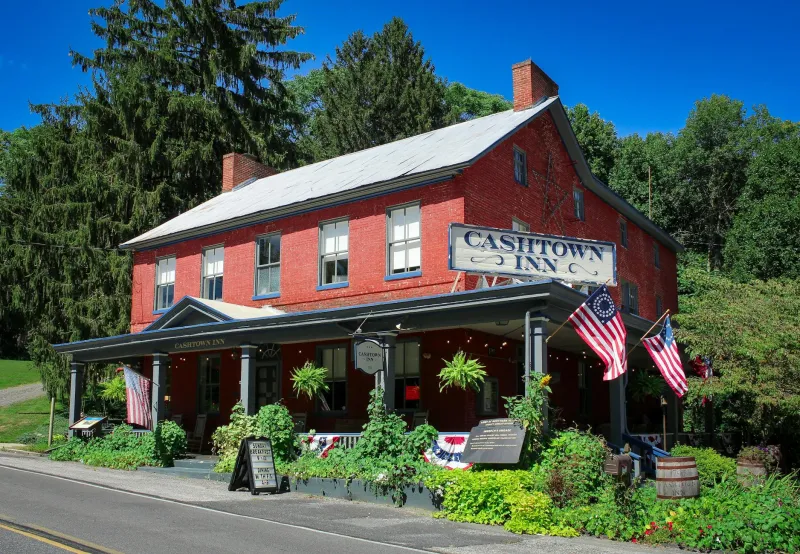
In 1750, a traveler approaching a colonial American tavern faced a transaction older than money itself. The innkeeper who opened his door wasn't just selling a bed and a meal — he was making a calculated investment in his community's future. Feed the stranger well, and he carries your town's reputation down the road. Treat him poorly, and watch the trade routes slowly shift toward more welcoming settlements.
This wasn't sentiment. It was business.
The Roman Empire understood this mathematics of hospitality so thoroughly they codified it into law. The hospitium system required communities to provide shelter and sustenance to official travelers, not from altruism but from strategic necessity. Towns that gained reputations as reliable waypoints found themselves on increasingly important routes. Those that didn't found themselves bypassed entirely, watching their economies wither as the traffic moved elsewhere.
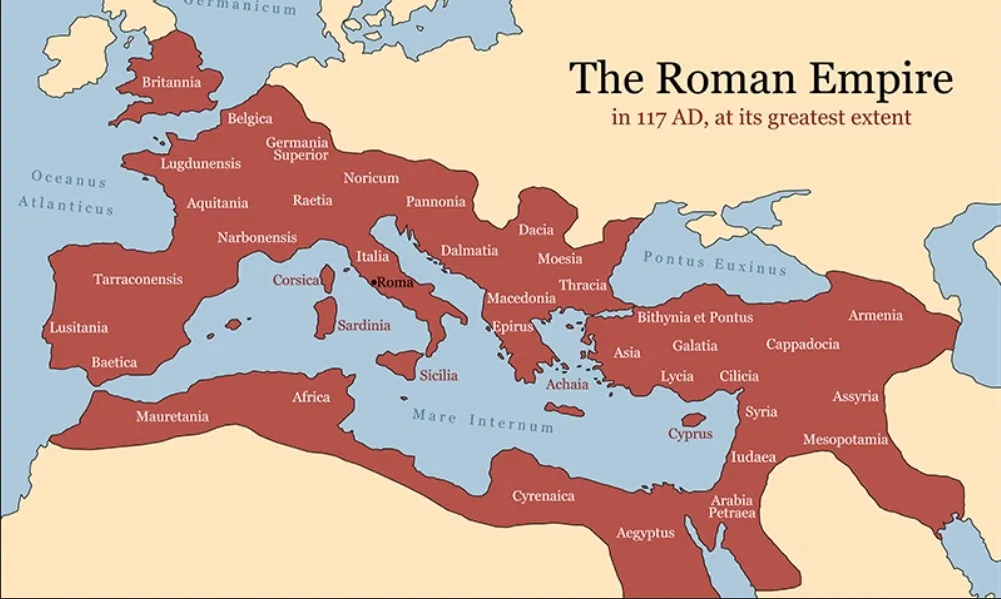 Photo: Roman Empire, via 2.bp.blogspot.com
The Great Forgetting
Somewhere between the completion of the Interstate Highway System and the rise of franchise motels, America forgot this ancient wisdom. The transition wasn't immediate — it took roughly thirty years for genuine roadside hospitality to transform into standardized service delivery.
The colonial tavern keeper knew every guest's name and story because his livelihood depended on word-of-mouth recommendations traveling along trade routes at the speed of horseback. The modern hotel desk clerk processes credit cards for anonymous customers because corporate metrics reward efficiency over relationship-building.
This shift represented more than changing business models. It marked the abandonment of a sophisticated mutual-benefit network that had sustained human travel for five thousand years. When we replaced personal hospitality with corporate consistency, we gained predictability but lost something economists are only now beginning to quantify.
The Network Effect of Genuine Welcome
Consider the difference between a town where locals recommend their favorite restaurant to visitors and one where tourists are directed to the same three chain establishments near the highway exit. The first creates what economists call "positive externalities" — benefits that extend beyond the immediate transaction. The visitor becomes an ambassador, carrying stories of authentic experience back to their home community.
The second creates what we might call "hospitality arbitrage" — extracting maximum revenue from minimum investment in actual welcome. This works in the short term but fails to generate the recursive benefits that build lasting tourism economies.
Medieval European towns competing for pilgrimage traffic understood this instinctively. Canterbury didn't become the destination for millions of pilgrims because it had the most efficient hostels. It succeeded because local communities invested in creating experiences that pilgrims wanted to tell stories about when they returned home.
The Towns That Remember
Today's most successful small-town tourism economies share a common characteristic: they've rediscovered the business case for genuine hospitality. These aren't necessarily the places with the most marketing budget or the most Instagram-worthy attractions. They're the communities that have rebuilt the ancient infrastructure of welcome.
Walk through Marfa, Texas, or Beacon, New York, or any number of small American towns experiencing tourism-driven economic revival, and you'll notice something specific. Local business owners know visitors' names. Recommendations come from personal knowledge, not corporate partnerships. The distinction between "tourist" and "guest" has been deliberately blurred.
 Photo: Marfa, Texas, via www.themanual.com
This isn't accidental. These communities have recognized that in an age of identical chain hotels and predictable franchise restaurants, genuine hospitality has become a scarce commodity. They're competing not on price or convenience but on the increasingly rare experience of being welcomed rather than simply served.
The Measurement Problem
Modern business metrics struggle to capture the value of authentic hospitality because its benefits compound over time and distance. A guest who receives genuine welcome doesn't just become a repeat customer — they become a recruitment agent for future visitors. This effect is difficult to measure but easy to observe in communities that prioritize it.
The franchise model optimizes for different variables: consistency, efficiency, and scalability. These are valuable attributes, but they don't generate the kind of word-of-mouth marketing that builds lasting destination appeal. A traveler may appreciate the predictability of a Hampton Inn, but they don't typically call their friends to recommend the experience.
The Return on Investment of Memory
The communities currently winning the competition for tourism dollars have rediscovered what medieval innkeepers and Roman road station operators knew: hospitality is not a cost center but an investment in reputation. The stranger you feed tonight becomes the advocate who brings tomorrow's customers.
This isn't nostalgia for a simpler time. It's recognition that human psychology hasn't changed in five thousand years. Travelers have always sought more than efficient transactions — they want to feel welcomed rather than processed. The towns that understand this are building tourism economies that compound rather than extract.
The ancient mathematics of hospitality haven't become obsolete. They've simply become competitive advantages for the communities wise enough to remember them.