The Forgotten Contract: What Every Ancient Traveler Owed Their Host (And Why Modern Tourists Should Care)

The Sacred Debt You Never Knew You Owed
When you check into a hotel, order room service, or ask a local for directions, you're participating in humanity's oldest social contract. But you're only fulfilling half of it.
For the past 5,000 years, every culture on earth has operated under formal codes of hospitality that bound both host and guest to specific, reciprocal obligations. The host was required to provide food, shelter, and protection. The guest was required to provide something in return—and it wasn't just payment.
Modern travel has quietly erased the guest's half of this ancient contract, creating a generation of tourists who consume hospitality without understanding what they were historically expected to give back. The result? Experiences that feel transactional rather than transformational, destinations that feel like products rather than places, and travelers who return home somehow less connected to the world than when they left.
The Greek Foundation: Xenia and Its Obligations
Homer's "Odyssey" isn't just an adventure story—it's a detailed instruction manual for the ancient Greek system of xenia, or ritualized hospitality. Every interaction between Odysseus and his various hosts follows the same formal protocol, and violations of that protocol drive much of the epic's conflict.
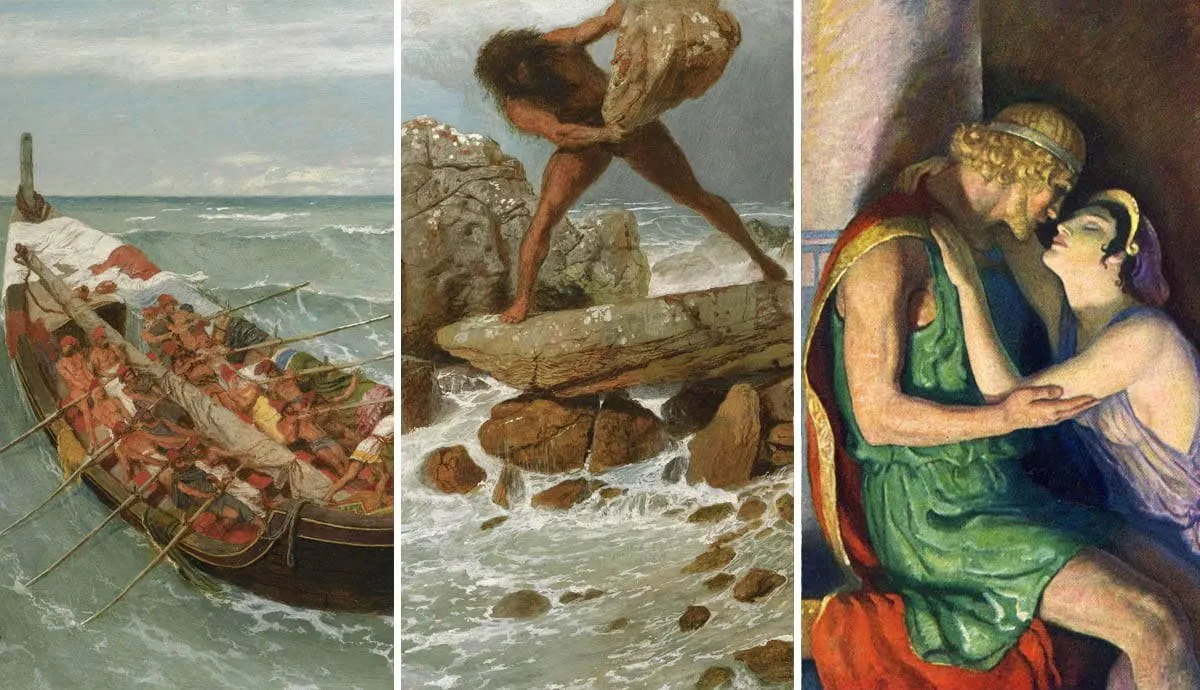 Photo: Homer's Odyssey, via ic-cdn.flipboard.com
When Odysseus arrives at a new destination, he doesn't immediately identify himself or state his business. The host is required to provide food, drink, and a place to wash before asking any questions. Only after these needs are met does the guest reveal his identity and explain his journey.
But here's the part modern travelers miss: Odysseus doesn't just receive hospitality—he provides it. He brings news from other lands, tells stories of his adventures, shares information about trade routes and political developments. He offers his skills as a warrior, his knowledge as a navigator, his experience as a leader.
Most importantly, he serves as a link between his host and the wider world. In an age before mass communication, travelers were living newspapers, carrying information, gossip, and cultural exchange from place to place.
The Desert Code: Bedouin Hospitality Laws
Bedouin tribes developed perhaps the most sophisticated hospitality system in human history, born from the simple recognition that survival in the desert required absolute cooperation between strangers. Their code, passed down through oral tradition for over 1,000 years, specified exact obligations for both parties.
The host was required to provide three days of food and shelter without asking questions or expecting payment. During this time, the guest was under the host's protection—any harm that came to them would be considered an attack on the host's honor.
The guest's obligations were equally specific. They were required to share any news or information they possessed, particularly about weather conditions, tribal movements, or resource availability. They were expected to contribute labor if needed—helping with herding, construction, or defense. Most importantly, they were bound by a code of absolute truthfulness. Lying to your host was considered one of the gravest possible offenses.
After three days, the relationship shifted. The guest could be asked to leave, or they could be invited to stay longer and contribute more substantially to the community. But the initial three-day period was sacred—an investment in the web of reciprocal relationships that made desert survival possible.
The American Frontier: Unlocked Cabins and Unspoken Rules
Early American settlers developed their own version of hospitality law, adapted to the realities of frontier life. The most famous example was the custom of leaving cabins unlocked with firewood stacked inside, food in the pantry, and basic supplies available for any traveler who might need emergency shelter.
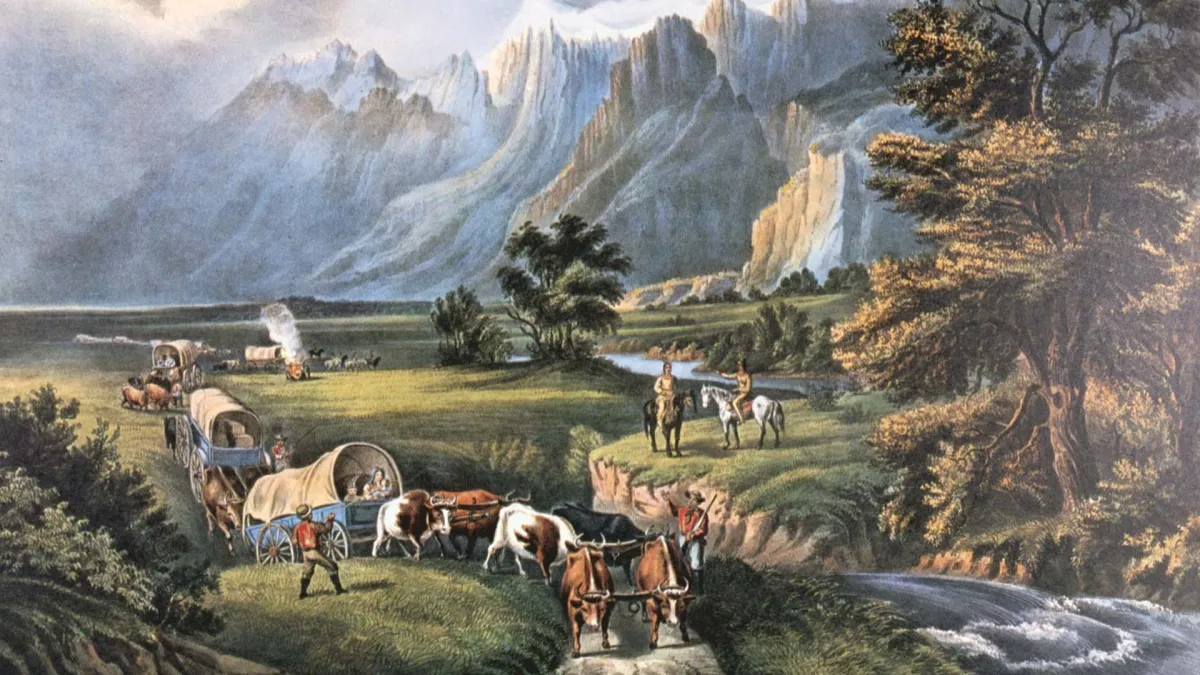 Photo: American Frontier, via cdn.britannica.com
This wasn't charity—it was insurance. Today's host might be tomorrow's stranded traveler. The system only worked because everyone understood both sides of the obligation.
Travelers who used an empty cabin were expected to replace whatever they consumed, repair any damage, and leave the place in better condition than they found it. They were also expected to carry news and information to the next settlement, serving as an informal communication network across vast distances.
Violations of this code were dealt with harshly by frontier communities. A traveler who took without giving back, or who failed to pass along important information, would find themselves unwelcome throughout the region. Reputation traveled faster than horses on the frontier.
What Modern Travelers Forgot to Pack
Today's travelers have inherited all the benefits of these ancient hospitality systems—comfortable accommodations, helpful locals, safety and protection while away from home—while abandoning every reciprocal obligation. We've turned hosts into service providers and ourselves into consumers.
The result is a peculiar form of cultural blindness. We visit places without really seeing them, interact with people without really meeting them, and return home with photos but not stories, souvenirs but not insights.
This isn't just about being a "better" tourist in some vague moral sense. Travelers who understand and honor the guest's traditional obligations consistently report richer, more meaningful experiences. They form genuine connections with locals, gain access to experiences that aren't available to ordinary tourists, and return home with the kind of stories that change how they see the world.
The Practical Application: Modern Hospitality Debts
So what does the guest's half of the ancient contract look like in practice today? It's simpler than you might think, and more powerful than most travelers realize.
Information Exchange: Just as ancient travelers carried news between settlements, modern guests can share information about their home regions, travel experiences, and cultural perspectives. This doesn't mean lecturing locals about your hometown—it means being genuinely curious about differences and willing to explain your own context when asked.
Skill Sharing: Odysseus offered his abilities as a warrior and navigator. You might offer your skills as a photographer, teacher, translator, or simply an extra pair of hands. The specific skill matters less than the willingness to contribute rather than just consume.
Cultural Bridge-Building: Ancient guests served as links between different communities. Modern travelers can serve as bridges between their home culture and their destination, helping locals understand different perspectives while gaining deeper insights into local ways of life.
Stewardship: The frontier custom of leaving a place better than you found it applies perfectly to modern travel. This might mean environmental stewardship, supporting local businesses, or simply treating destinations as places you might want to return to rather than resources to be extracted from.
The Reciprocity Advantage
Travelers who approach destinations with a spirit of reciprocity rather than consumption consistently report several measurable advantages:
Deeper Access: Locals are more willing to share authentic experiences with guests who demonstrate genuine interest in contributing to rather than just observing local life.
Better Stories: Interactions based on mutual exchange produce more memorable experiences than transactions based purely on payment.
Lasting Connections: Relationships formed through reciprocal hospitality often continue long after the trip ends, creating networks of friends and connections around the world.
Personal Transformation: Travelers who see themselves as temporary community members rather than passing consumers often return home with new perspectives on their own lives and communities.
The Ancient Wisdom for Modern Wanderers
The hospitality codes developed by Greeks, Bedouins, and American frontiersmen weren't just social niceties—they were survival strategies. They recognized that meaningful human connection requires reciprocity, that genuine cultural exchange demands vulnerability from both sides, and that the most transformative travel experiences happen when strangers choose to trust each other.
Modern tourism has made travel safer, more comfortable, and more accessible than ever before. But it has also made it more superficial. We can now visit dozens of countries without ever really arriving anywhere, meet hundreds of people without ever really connecting with anyone.
The cure isn't to abandon modern conveniences or pretend we're ancient nomads. It's to remember that hospitality is not a service industry but a human relationship, and that relationships—even temporary ones—require something from both parties.
Your next trip begins the moment you stop thinking of yourself as a customer and start thinking of yourself as a guest. The difference between those two words contains 5,000 years of human wisdom about how strangers can enrich each other's lives.
The ancient contract is still there, waiting to be honored. The only question is whether you're ready to sign both sides of it.