The Script That Never Changes
In 1962, Holiday magazine published an article titled "The Last Unspoiled Village in Vermont." In 1978, Travel + Leisure discovered "New England's Best-Kept Secret." In 1995, Conde Nast Traveler revealed "The Vermont Town Time Forgot." All three articles were about Woodstock, Vermont.
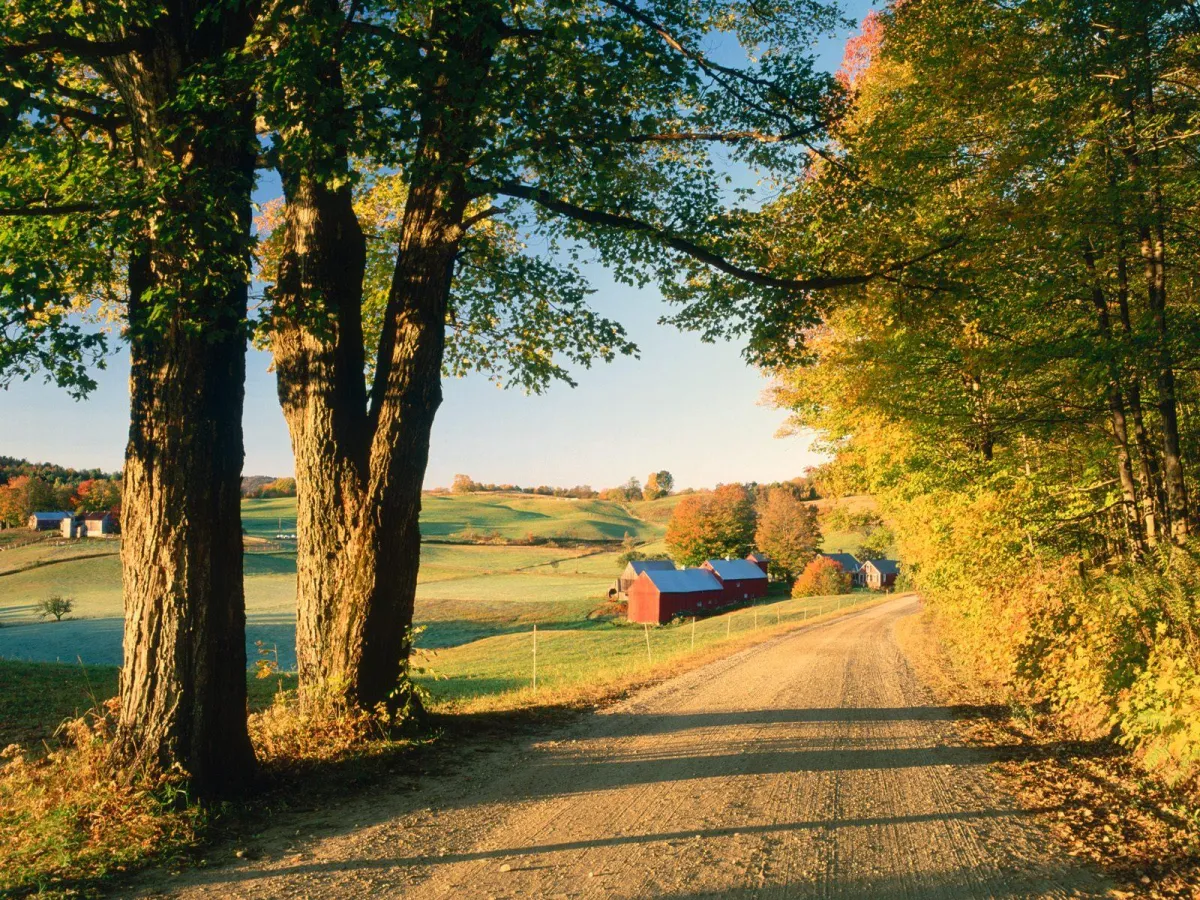 Photo: Woodstock, Vermont, via wallpapercave.com
This isn't journalistic failure — it's journalistic function. American travel media operates on a twenty-year cycle of forgetting and rediscovering the same destinations, each generation of writers convinced they've found something genuinely new. Understanding this pattern provides travelers with a predictive framework for when to visit emerging destinations and when to avoid established ones.
The Psychology of First Discovery
Americans possess a unique relationship with discovery that stems from our national mythology of frontier exploration. We're psychologically programmed to believe that the best experiences come from being first — first to claim land, first to spot opportunity, first to find the perfect small town before it's "ruined" by other tourists.
This creates a powerful cognitive bias: we discount the possibility that others have discovered what we've discovered before us. The charming bed-and-breakfast that feels like a personal find must be genuinely overlooked, not simply between publicity cycles. The local restaurant with no website must be authentically undiscovered, not deliberately maintaining a low profile to manage demand.
Travel writers exploit this bias by presenting cyclical rediscovery as initial discovery. They're not lying — they genuinely believe they've found something new because the previous coverage has faded from collective memory. The result is a predictable pattern of "discovery" that follows demographic and media cycles rather than actual changes in destination quality.
The Economics of Managed Obscurity
Smart small towns have learned to game this system. They understand that sustainable tourism requires managing the boom-and-bust cycle of media attention rather than simply maximizing visitor numbers. The most successful destinations deliberately cultivate obscurity between periods of fame, allowing infrastructure to recover and locals to reset their relationship with tourism.
Consider Marfa, Texas, which has been "discovered" by major publications in 1985, 2003, and 2019. Between these discovery cycles, the town actively discourages certain types of tourism while quietly building infrastructure to handle the next wave. Local businesses learn to operate profitably with baseline visitor numbers while preparing for periodic surges.
 Photo: Marfa, Texas, via cdn.britannica.com
This creates a counterintuitive dynamic: the towns that appear most "authentic" and "undiscovered" are often those with the most sophisticated tourism management strategies. True authenticity would involve consistent local life regardless of outside attention. Performed authenticity involves calibrating local culture to meet visitor expectations while protecting core community functions.
The Generational Forgetting Cycle
Media rediscovery follows predictable generational patterns. A destination becomes famous among one cohort of travelers, saturates their attention, falls out of fashion, and disappears from media coverage for roughly fifteen to twenty years — long enough for a new generation of editors and writers to encounter it fresh.
This cycle explains why the same towns appear in "hidden gem" articles with remarkable regularity. Saratoga Springs, New York has been "rediscovered" by travel media every generation since the 1920s. Each wave of coverage treats the town's Victorian architecture, horse racing, and arts scene as recent developments rather than century-old attractions that have simply cycled in and out of fashion.
 Photo: Saratoga Springs, New York, via www.jigsawplanet.com
The forgetting isn't accidental — it's structural. Travel magazines archive old issues but don't systematically review past coverage when commissioning new articles. Writers research recent coverage but rarely investigate historical patterns. The result is institutional amnesia that creates the illusion of constant discovery.
The Local Performance of Discovery
Towns caught in this cycle develop sophisticated strategies for performing discovery back at visitors. Locals learn to act surprised and pleased when travelers "find" them, even if they've been hosting discovery-seeking tourists for decades. Restaurants and shops cultivate an atmosphere of insider knowledge while operating as essentially tourist businesses.
This performance isn't deceptive — it's collaborative. Visitors want to feel like discoverers, and locals want sustainable tourism income. The fiction of discovery serves both parties' interests. The key is that successful towns make the performance feel authentic rather than calculated.
The most skilled destinations develop what might be called "scalable authenticity" — core cultural practices that remain genuine regardless of visitor volume, surrounded by tourism infrastructure that can expand and contract based on demand. The authenticity provides substance; the scalability provides sustainability.
Reading the Discovery Cycle
Savvy travelers can use this pattern to optimize their destination timing. Towns in the "discovery" phase offer the excitement of emerging scenes but often lack infrastructure and can feel overwhelmed by sudden attention. Towns in the "established" phase provide polished experiences but may feel commercialized. Towns in the "forgotten" phase often offer the best balance: developed infrastructure, local culture that has readjusted to normal life, and the absence of discovery-seeking crowds.
The optimal time to visit is often just before the second wave of discovery — when the town has recovered from its first bout of fame but hasn't yet been rediscovered by a new generation of travel writers. This sweet spot typically occurs fifteen to eighteen years after major media coverage.
The Indicators of Cycle Position
Certain signals indicate where a destination sits in the discovery cycle. Recent coverage in multiple major publications suggests peak discovery phase. Locals who seem genuinely surprised by tourism questions indicate early discovery. Sophisticated tourism infrastructure combined with locals who treat visitors as normal rather than special suggests post-discovery recovery.
The presence of "insider" businesses — restaurants without websites, shops that close unpredictably, attractions that require local knowledge to find — often indicates either very early discovery or post-discovery stabilization. True hidden gems don't accommodate tourists; recovered gems accommodate them selectively.
The Strategy of Strategic Timing
Understanding the discovery cycle enables travelers to make informed decisions about when to visit emerging destinations. Rather than chasing the latest "undiscovered" gem, consider seeking out places that were discovered twenty years ago and have since fallen off the travel media radar.
These destinations often offer the best of both worlds: the infrastructure and experience that comes from having hosted tourists, combined with the return to normal local life that occurs after media attention fades. They've learned how to manage tourism sustainably and have selected for locals who genuinely enjoy interacting with visitors.
The perpetual discovery machine reveals a deeper truth about American travel psychology: we're less interested in finding new places than in feeling like pioneers. Understanding this distinction helps travelers focus on experiences rather than the illusion of discovery, leading to more satisfying journeys and more sustainable relationships with the places we visit.
The small town will always be "discovered" again because Americans need to believe in the possibility of finding something first. The wise traveler understands this need while planning around its predictable consequences.