The Savannah Template
In 1883, Harper's Magazine declared Savannah, Georgia "America's most beautiful city," launching the first documented cycle of American urban rediscovery. The formula was already complete: a once-prosperous city fallen on hard times, cheap real estate attracting artists and writers, restored architecture creating photogenic backdrops, and finally, national media attention bringing tourists and investors.
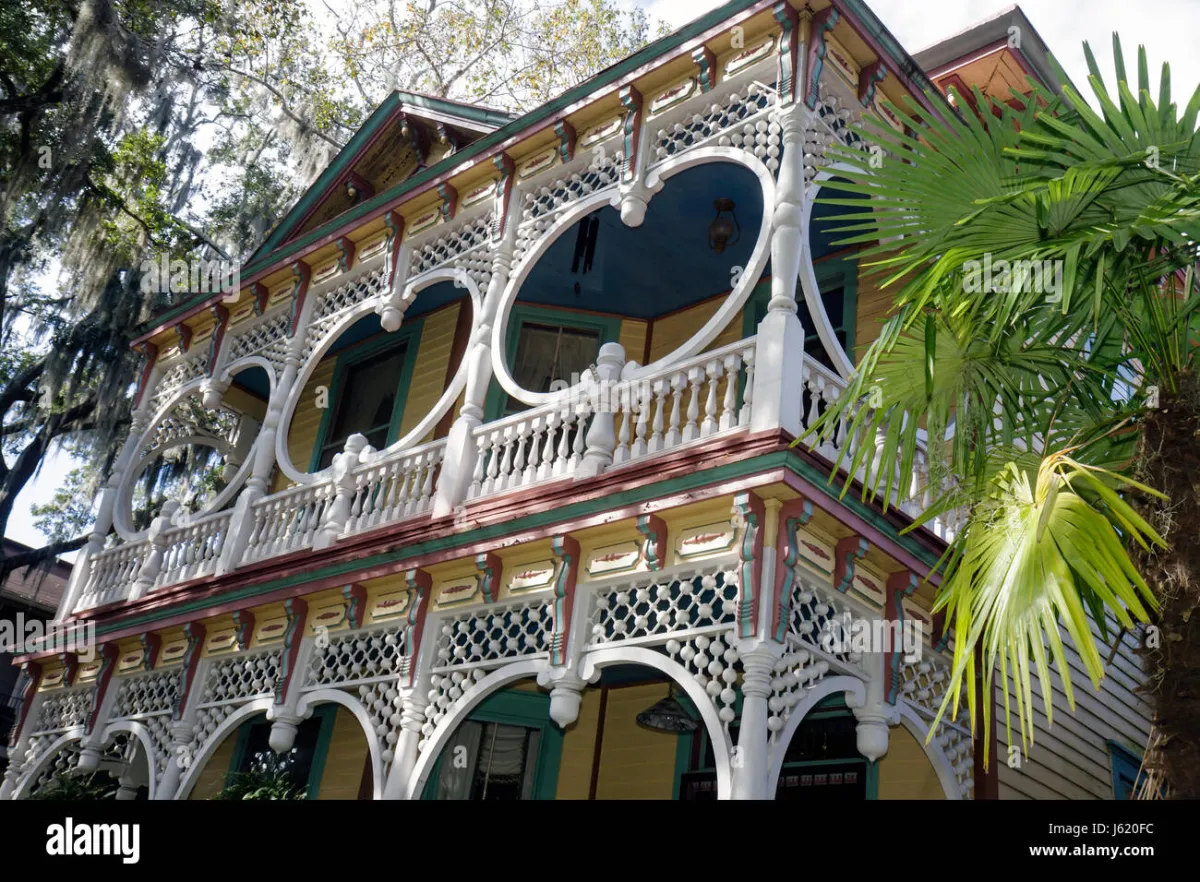 Photo: Savannah, Georgia, via c8.alamy.com
This Savannah template has been replicated with almost mechanical precision across American cities for nearly 150 years. What appears to be organic cultural discovery is actually a highly predictable economic migration pattern that smart travelers can learn to identify, anticipate, and either pursue or avoid depending on their preferences.
The Four-Stage Cycle
American urban rediscovery follows an invariable four-stage progression that typically spans 15-25 years from initiation to completion. Understanding this timeline allows travelers to position themselves at whichever stage offers the experience they're seeking.
Stage One: The Economic Catalyst occurs when a city's primary industry collapses or relocates, creating a surplus of affordable real estate and commercial space. This isn't decline—it's preparation. Cities that successfully navigate this transition possess certain prerequisites: architectural heritage worth preserving, geographic advantages like waterfronts or walkable downtown cores, and usually, a major university to provide cultural infrastructure.
Stage Two: The Creative Colonization begins when artists, musicians, and writers discover the cheap rent and available space. This migration isn't random—it follows predictable patterns based on proximity to established cultural centers, transportation connectivity, and the presence of local institutions that can support creative communities.
Stage Three: The Commercial Translation starts when the creative presence attracts service businesses designed to cater to cultural tourists. Coffee shops, galleries, boutique hotels, and restaurants with locally-sourced menus appear in rapid succession. This stage is crucial because it transforms artistic activity into economic activity that can sustain broader redevelopment.
Stage Four: The Media Amplification completes the cycle when national publications discover what locals have known for years. Magazine features, travel articles, and "best of" lists create the external validation that triggers mainstream tourist interest and real estate investment.
The Geographic Predictors
American cities that successfully complete this rediscovery cycle share specific geographic characteristics that function as reliable predictive indicators. Successful candidates almost always possess navigable waterways—rivers, lakes, or ocean access—that provided their original economic foundation and continue to offer recreational and aesthetic advantages.
Walkable urban cores prove essential because the rediscovery cycle depends on pedestrian-scale experiences that differentiate destinations from suburban environments. Cities with intact pre-automobile street grids and building stock have significant advantages over those rebuilt around car culture.
Proximity to major metropolitan areas, typically within a 200-mile radius, provides the population base necessary to sustain the creative and tourist economies that drive rediscovery. Too close, and the city becomes a suburb; too far, and it remains isolated.
The Cultural Infrastructure Requirements
Beyond geographic advantages, successful urban rediscovery requires specific cultural infrastructure that many declining cities lack. A major university or college provides both the educated population base that supports cultural amenities and the institutional stability that survives economic transitions.
Existing arts organizations, even if struggling, provide the framework for creative community development. Cities with established museums, theaters, or music venues have significant advantages over those starting from scratch.
Local government attitudes toward historic preservation and zoning flexibility often determine whether the rediscovery cycle can complete successfully. Cities that make adaptive reuse difficult or expensive frequently stall in early stages.
Reading the Current Signals
Travelers who understand this cycle can identify cities at various stages and plan accordingly. Stage One cities offer the most authentic experiences but require tolerance for limited amenities and ongoing urban challenges. Stage Two cities provide the excitement of cultural emergence with improving infrastructure. Stage Three cities offer polished experiences with growing but not yet overwhelming tourist presence. Stage Four cities deliver full amenities but often at premium prices with diminished local character.
Current examples of each stage are visible across the American landscape. Rust Belt cities like Buffalo and Cleveland show Stage One characteristics—economic transition creating opportunity. Cities like Richmond, Virginia and Louisville, Kentucky display Stage Two indicators—creative communities establishing critical mass. Asheville, North Carolina and Portland, Maine exemplify Stage Three development—commercial infrastructure catching up to cultural reputation. Meanwhile, cities like Nashville and Austin demonstrate Stage Four completion—mainstream discovery with corresponding price inflation and cultural homogenization.
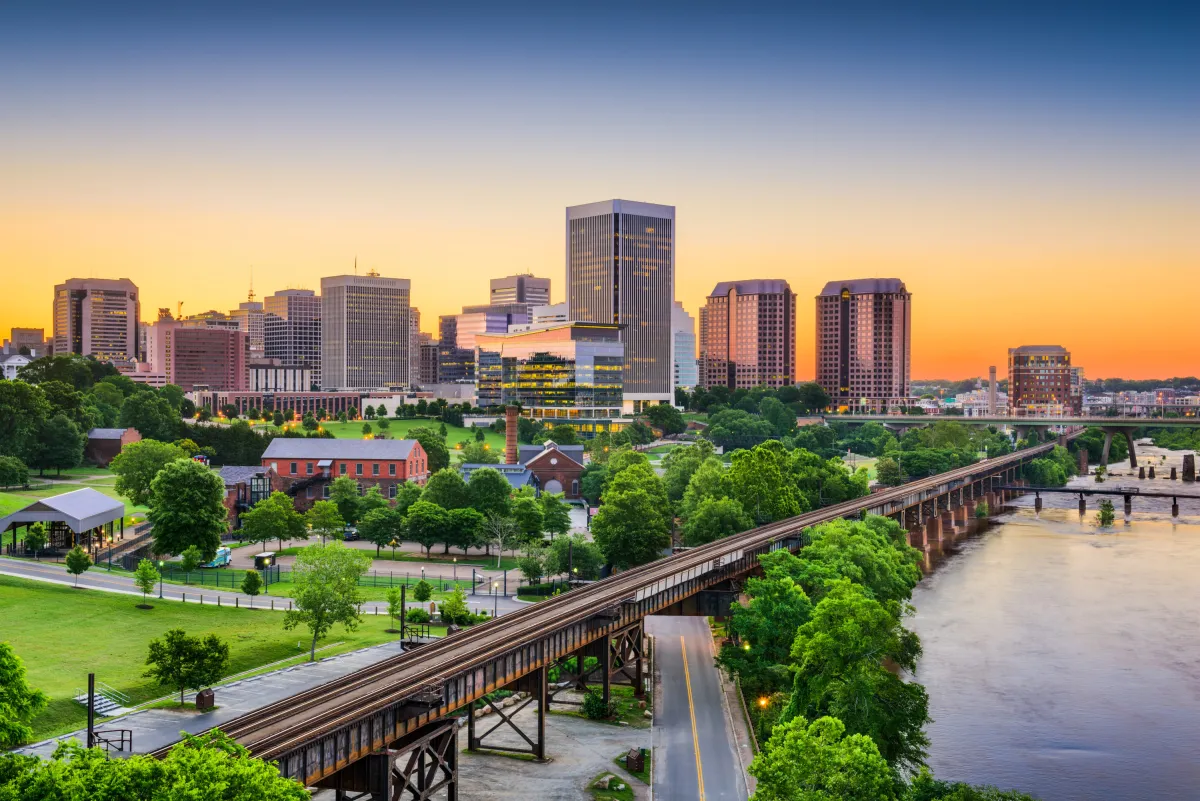 Photo: Richmond, Virginia, via cfefund.org
The Investment Perspective
Understanding the rediscovery cycle provides practical guidance for different types of travel investment. Budget-conscious travelers benefit from targeting Stage One and Stage Two cities where accommodation and dining costs remain low while cultural offerings improve rapidly.
Travelers seeking developed amenities with local character should focus on Stage Three cities before media amplification drives up costs and crowds. Those prioritizing convenience and established infrastructure might prefer Stage Four destinations despite premium pricing.
The Anti-Discovery Strategy
Some travelers prefer to avoid the rediscovery cycle entirely, seeking cities that maintain stable local character without the boom-bust pattern of cultural tourism. These destinations typically possess strong local economies independent of tourism, geographic characteristics that limit expansion, or cultural resistance to outside development.
Small college towns, stable industrial cities, and places with strong local identity often provide consistent experiences that don't fluctuate with discovery cycles. Understanding the rediscovery pattern helps identify these alternatives as much as it reveals emerging hotspots.
The Historical Perspective
The American urban rediscovery cycle reflects deeper patterns in how the country processes economic and cultural change. Unlike European cities with centuries of continuous development, American cities experience more dramatic boom-bust cycles that create opportunities for reinvention.
This pattern isn't new—it's been visible since the post-Civil War era when industrialization first created the economic disruptions that make rediscovery possible. What's changed is the speed and scale of the cycle, compressed by modern media and transportation from generational to decade-long timeframes.
The Practical Application
For contemporary travelers, understanding the rediscovery cycle provides strategic advantage in timing visits, setting expectations, and budgeting resources. More importantly, it reveals that what feels like spontaneous cultural discovery is actually part of a predictable pattern that smart observers can read and navigate.
The next wave of American urban rediscovery is already visible to those who know the signals. The question isn't whether it will happen—the question is whether you'll recognize it before everyone else does.