Prescribed Leisure: How American Medicine Created the Luxury of Sanctioned Rest
The Invention of Medical Idleness
In 1869, Philadelphia neurologist George Miller Beard gave American anxiety a name: neurasthenia. This "nervous exhaustion" supposedly afflicted the nation's most accomplished citizens—bankers, industrialists, society wives—who found themselves mysteriously depleted by the very success they had pursued. The cure, according to Beard and his contemporaries, was not less ambition but more leisure, preferably the expensive kind found at mineral springs hundreds of miles from Wall Street.
What followed was perhaps the most successful medical marketing campaign in American history. Physicians across the country began prescribing what they called the "rest cure"—extended stays at therapeutic resorts where patients would drink mineral water, breathe mountain air, and submit to a regimen of enforced relaxation that would make a modern spa retreat look rigorous by comparison.
The towns that built themselves around these medical prescriptions—Saratoga Springs in New York, Hot Springs in Arkansas, White Sulphur Springs in West Virginia—understood something profound about American psychology that remains true today: we will spend enormous sums on leisure, but only if someone with credentials tells us it's necessary.
The Economics of Therapeutic Tourism
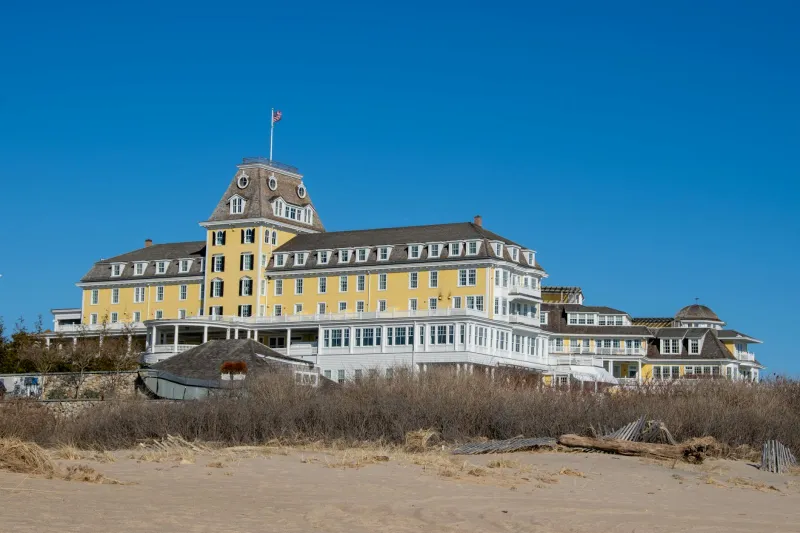
By 1880, Saratoga Springs hosted over 100,000 visitors annually, each paying premium rates for the privilege of doing nothing under medical supervision. The Grand Union Hotel, completed in 1872, could accommodate 1,700 guests in what was then the world's largest hotel. Visitors came not just for the waters but for the social theater of sanctioned rest—elaborate dining rooms where invalids in silk gowns discussed their symptoms over seven-course meals, ballrooms where the nervously exhausted waltzed until dawn.
The financial architecture was ingenious. Unlike European spas, which had evolved organically around natural springs over centuries, American spa towns were purpose-built enterprises. Developers purchased land around mineral springs, constructed grand hotels, hired physicians to legitimize the experience, and marketed the entire package as medical necessity rather than mere vacation.
Doctors became essential partners in this economy. A physician's prescription for a "water cure" at Saratoga or a "climate cure" in Colorado Springs carried the weight of medical authority, transforming what might otherwise appear as frivolous spending into prudent healthcare investment. Insurance didn't exist yet, but social insurance did—no one could criticize a family for spending lavishly on a doctor's orders.
The Psychology of Permission
The genius of the neurasthenia diagnosis lay not in its medical validity—which was dubious even by 19th-century standards—but in its psychological accuracy. America's emerging industrial elite genuinely were exhausted, stressed, and disconnected from natural rhythms. But their Protestant work ethic and social expectations made simple leisure feel morally suspect.
Neurasthenia provided the perfect solution: a medical condition that could only be cured by expensive relaxation. Patients could spend months at therapeutic resorts without appearing lazy or self-indulgent. They were following doctor's orders, pursuing health, investing in their capacity for future productivity.
The prescribed activities at these resorts reveal how little human psychology has changed. Patients took daily walks on prescribed routes, participated in social activities on rigid schedules, and submitted to treatments—mineral baths, massage, electrical therapy—that provided the illusion of medical intervention while delivering what amounted to enforced vacation.
The Modern Inheritance
Walk through any contemporary wellness retreat and you'll recognize the Victorian spa town's DNA. The same medical vocabulary—"detox," "restoration," "healing"—legitimizes what is fundamentally the same product: permission to stop. The same premium pricing structure ensures that serious relaxation remains exclusive. The same social theater allows guests to perform wellness rather than simply experience rest.
Even the locations echo their 19th-century predecessors. Sedona's energy vortexes occupy the same cultural space as Saratoga's healing springs. Napa Valley's wellness retreats cluster around the same natural amenities—mineral water, clean air, scenic beauty—that Victorian physicians prescribed for nervous exhaustion.
The terminology has evolved, but the underlying transaction remains identical: Americans paying premium prices for professional permission to rest. Where Victorian doctors prescribed mineral waters for neurasthenia, modern wellness practitioners prescribe digital detoxes for anxiety. Where 19th-century patients submitted to electrical treatments and cold baths, contemporary clients undergo IV drips and cryotherapy.
The Enduring Need for Medical Permission
Perhaps the most revealing aspect of America's spa town heritage is how little our relationship with leisure has fundamentally changed. We remain a culture that treats rest as suspicious unless properly credentialed. The explosion of wellness tourism—now a $639 billion global industry—suggests that Americans still need expert validation before they'll allow themselves to stop working.
The Victorian physicians who invented neurasthenia understood something essential about their patients' psychology: they genuinely needed rest, but they also needed a socially acceptable reason to take it. The spa towns that grew around this insight created more than just tourist destinations; they created a template for how Americans could purchase peace of mind about purchasing peace of mind.
Today's wellness retreats, mindfulness apps, and therapeutic vacations all operate on the same fundamental premise: that leisure becomes legitimate only when reframed as self-improvement, and self-improvement becomes credible only when endorsed by experts. The honeymoon suite may no longer literally be a hospital room, but the psychological architecture remains unchanged—we still need professional permission to rest.