The Universal Timer That No One Discusses
Every host culture in recorded history has maintained an invisible countdown clock. The moment a guest crosses the threshold, an ancient calculus begins: how long before welcome transforms into burden, before generosity becomes exploitation, before the sacred duty of hospitality collides with the equally sacred need for privacy and resources.
This calculation is never spoken aloud, yet it operates with mathematical precision across cultures separated by continents and millennia. The anxiety you feel about overstaying your welcome at a dinner party is the same anxiety that governed guest behavior in Homer's Greece, medieval Baghdad, and the Dakota Territory.
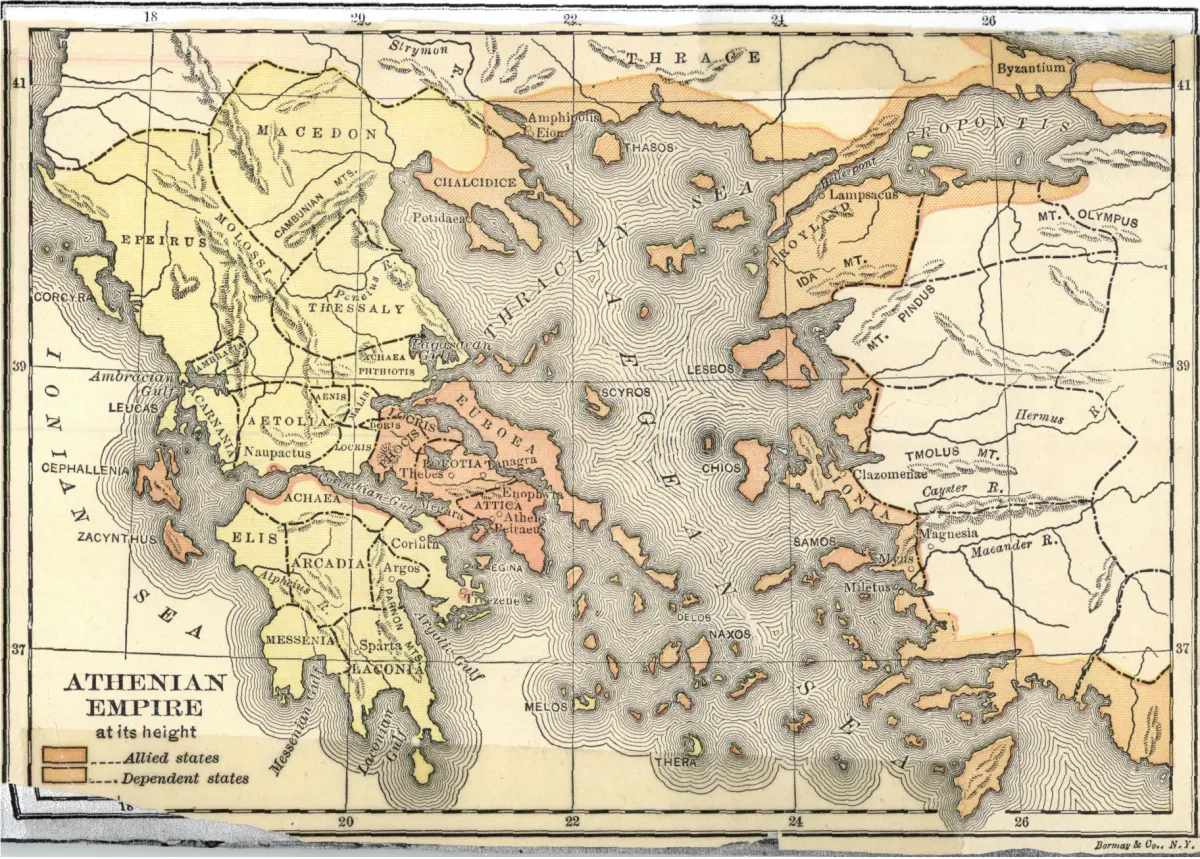 Photo: Ancient Greece, via www.thoughtco.com
The Greek Equation: Divine Reciprocity
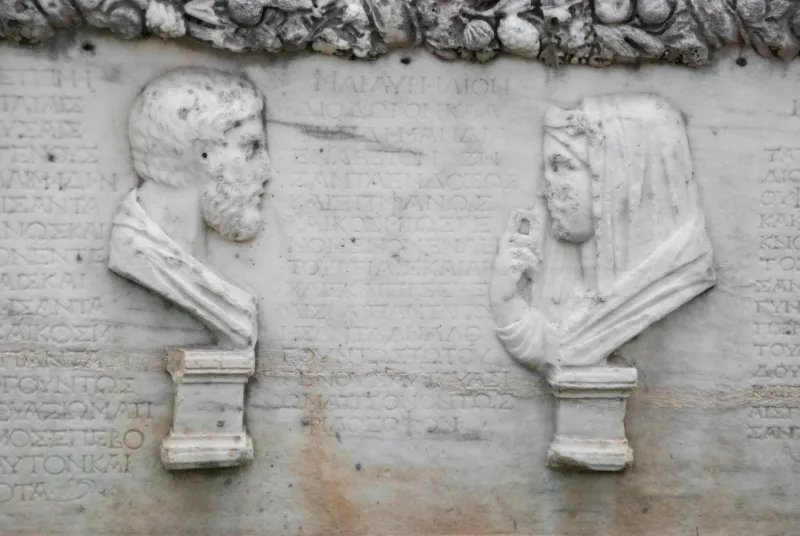
Ancient Greek xenia established the template that would echo through Western hospitality for three thousand years. The system was elegantly simple: Zeus himself commanded that strangers be welcomed, fed, and sheltered without question. But the god of hospitality was also the god of justice, and the scales had to balance.
Guests who arrived under xenia had three days of absolute protection. During this period, they could not even be asked their name or business. But on the fourth day, the equation shifted. The guest was expected to reveal their identity, state their purpose, and begin contributing to the household or prepare to depart.
This three-day rule appears with startling consistency across unconnected cultures. Roman hospitium followed similar timelines. Medieval Islamic adab literature prescribed three days of unconditional welcome before obligations began. Even among Native American tribes of the Great Plains, where hospitality was a survival necessity, the three-day threshold marked the transition from sacred guest to potential community member.
 Photo: Great Plains, via study.com
The Frontier Formula: Labor as Currency
Nineteenth-century American frontier hospitality operated on different mathematics but identical principles. In territories where the nearest neighbor might be fifty miles away, refusing shelter could mean condemning someone to death. Yet resources were scarce, and survival margins thin.
Frontier hosts developed sophisticated assessment systems. A traveler's horse condition revealed their planning ability. Their supplies indicated self-sufficiency. Their willingness to help with chores demonstrated reciprocal respect. The unspoken rule was simple: contribute more than you consume, or move along.
Travel accounts from the period reveal the stress this created. Educated Eastern visitors often misread frontier hospitality as unlimited generosity, only to find themselves subtly but firmly encouraged to continue their journey when they failed to grasp the reciprocal expectations.
The Islamic Court Calculus: Status and Seasons
Medieval Islamic hospitality literature reveals perhaps the most sophisticated guest-duration formulas ever developed. The Abbasid courts of Baghdad created elaborate protocols that factored guest status, seasonal conditions, political relationships, and household capacity into complex equations.
A merchant might stay three days without explanation, a scholar seven, a diplomat until his business concluded. But even the highest-status guest operated under temporal limits. The famous 9th-century hospitality manual "Adab al-Duyuf" specifies that even caliphs' relatives should not presume upon hospitality beyond forty days without explicit invitation to remain.
These weren't arbitrary numbers. They reflected deep understanding of group psychology and resource management that modern behavioral economics has only recently begun to quantify.
The Psychological Constants
What emerges from this cross-cultural analysis is remarkable consistency in human social mathematics. Regardless of climate, economy, or religion, cultures converge on similar temporal thresholds because they're responding to identical psychological pressures.
The three-day rule appears to reflect the natural arc of novelty and accommodation. Day one brings excitement and curiosity. Day two allows for meaningful interaction. Day three provides closure and natural departure opportunity. Beyond this point, the guest transitions from temporary disruption to permanent alteration of household dynamics.
Modern psychology confirms these ancient insights. Studies of houseguest stress show that both hosts and guests experience peak comfort on day two, with anxiety rising sharply after day three. The timeline that ancient Greeks attributed to divine command turns out to be hardwired into human social cognition.
Reading the Modern Room
Understanding these historical patterns provides practical navigation tools for contemporary travel. The anxiety you feel about imposing isn't personal neurosis—it's species-wide social programming refined over millennia.
When staying with friends or family, the ancient formulas still apply. Contribute more than you consume. Signal your awareness of household rhythms. Offer departure before being asked. These behaviors aren't just polite—they're fulfilling evolutionary expectations that predate written language.
The same principles extend to commercial hospitality. Hotels, bed-and-breakfasts, and vacation rentals all operate on modified versions of ancient guest-host equations. Understanding these dynamics helps you navigate everything from checkout procedures to upgrade requests.
The Wisdom of Limits
Perhaps the most valuable insight from this historical survey is that limits create rather than destroy hospitality. Cultures with the most generous traditions—Greek xenia, Islamic karam, frontier neighborliness—all maintained clear temporal boundaries. The knowledge that welcome had limits made it more precious, not less.
Modern travel culture, with its emphasis on unlimited experience and extended stays, may actually undermine the psychological foundations that make hospitality meaningful. The ancient wisdom suggests that the perfect visit ends before anyone wants it to, leaving both guest and host with positive memories and genuine desire for future reunion.
This isn't about following ancient rules in modern contexts. It's about recognizing that the social mathematics governing hospitality reflects deep truths about human psychology that haven't changed since Homer's time. The guest who understands this ancient calculus will always be welcome wherever they go.