The Puritan Problem
For the first two centuries of American civilization, taking time off work wasn't just economically impractical—it was morally suspect. The Protestant work ethic that drove colonial settlement and early industrialization left no room for leisure that didn't serve a higher purpose. Rest was for the Sabbath, and even then, only after proper worship.
This created what historians now recognize as America's foundational travel paradox: a people simultaneously driven to explore new frontiers yet convinced that pleasure-seeking was spiritually dangerous. The solution, when it finally emerged in the 1870s, wasn't to abandon Puritan values but to weaponize them in service of a new economic reality.
The Railroad's Moral Innovation
The transcontinental railroad's completion in 1869 created an unexpected problem for its financiers. Freight and westward migration provided solid revenue, but the massive infrastructure investment demanded more. Passenger traffic for pleasure travel represented untapped profit, but convincing Americans to spend money on leisure required a complete moral reframing of what constituted virtuous behavior.
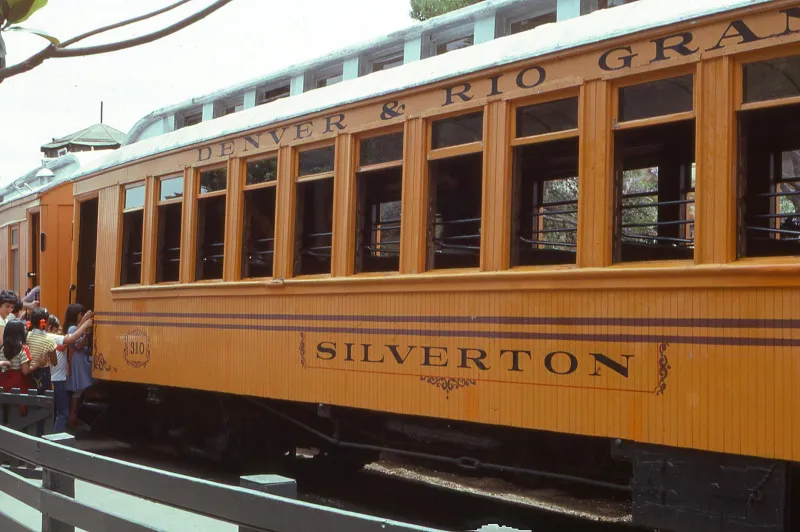
 Photo: transcontinental railroad, via upload.wikimedia.org
Railroad marketing departments became America's first leisure theologians. They didn't sell vacation—they sold restoration. Not pleasure, but preparation. The emerging resort industry learned to speak in the language of productivity enhancement and spiritual renewal. A trip to Saratoga Springs wasn't indulgence; it was maintenance of the human machine.
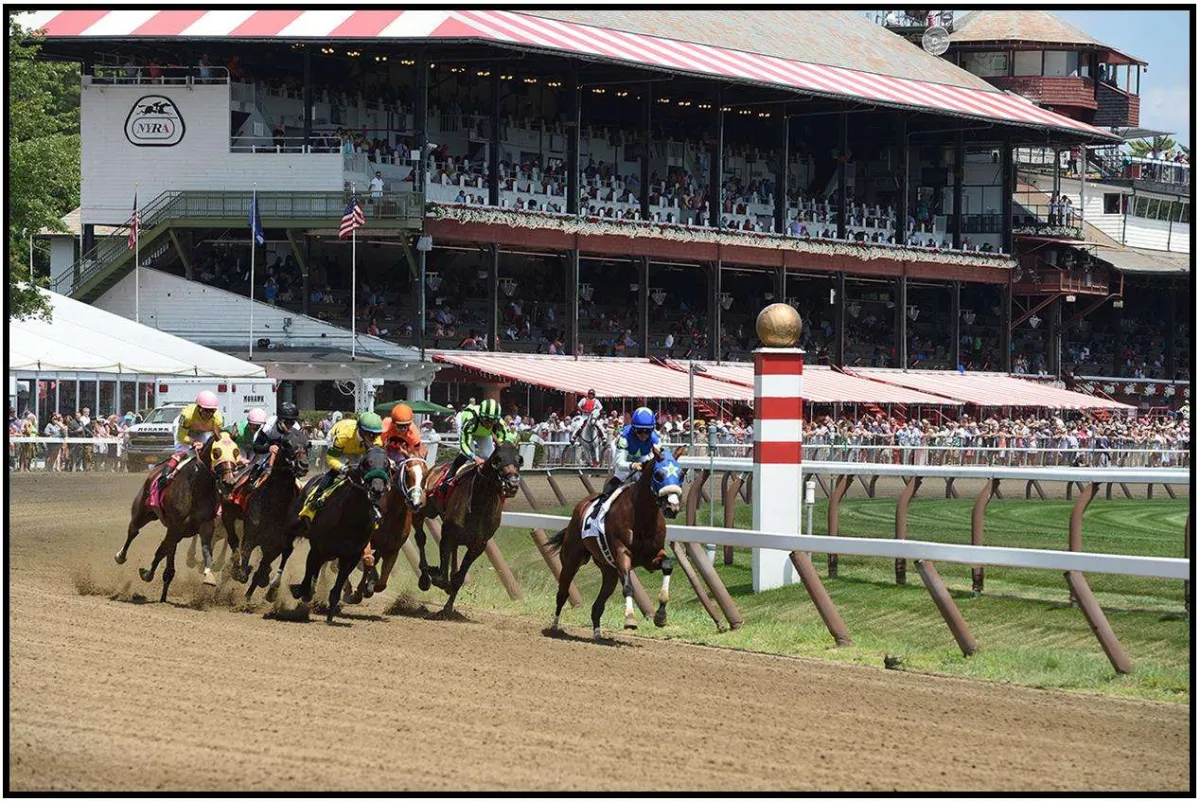 Photo: Saratoga Springs, via aarch.org
This linguistic sleight of hand reveals something crucial about American psychology that persists today: we've never fully embraced leisure for its own sake. Every vacation must justify itself through improved performance, better health, or enhanced cultural capital.
The Medical Excuse
The breakthrough came when American medicine provided the perfect moral cover. The rise of neurasthenia—a fashionable diagnosis describing exhaustion from modern life—gave wealthy Americans a medical prescription for what had previously been moral failing. Doctors didn't recommend vacation; they prescribed it.
Suddenly, the same Protestant work ethic that had condemned leisure began to demand it. Rest became a duty to one's employer, family, and God. The vacation industry exploded not because Americans learned to embrace pleasure, but because they found a way to transform pleasure into obligation.
This medical model explains why American vacation planning still resembles treatment protocols. We don't simply decide to travel; we diagnose our need for it. We don't enjoy destinations; we consume experiences that promise specific outcomes. The language hasn't changed: we still "recharge," "disconnect to reconnect," and "invest in ourselves."
The Guilt Engine
What the late 19th century created wasn't sustainable leisure culture but a guilt engine that required constant feeding. Because vacation remained morally suspect beneath its medical and economic justifications, each trip carried the burden of proving its worth. This explains the peculiar intensity of American travel—the overpacked itineraries, the photography obsession, the need to maximize every moment.
European observers noted this difference immediately. Where European leisure culture had evolved from aristocratic traditions of pleasure for its own sake, American vacation culture emerged from industrial necessities wrapped in Protestant anxieties. We learned to travel not like people enjoying themselves, but like people proving they deserved to enjoy themselves.
The Modern Inheritance
Today's travel industry has inherited this entire psychological framework virtually unchanged. The language has evolved—we now speak of "work-life balance" and "self-care"—but the underlying mechanism remains identical. Americans still need permission to rest, and the travel industry still profits from selling it to us.
This explains why vacation planning has become so elaborate and stressful. We're not simply organizing trips; we're constructing moral justifications for temporary escape from productivity. The perfect Instagram feed isn't vanity—it's evidence that our leisure time generated value. The detailed itinerary isn't efficiency—it's proof that we're working even when we're not working.
Reading the Pattern
Understanding this history provides practical insight for modern travelers. The anxiety many Americans feel about taking time off isn't personal weakness—it's cultural inheritance from a society that never fully resolved the tension between Puritan values and capitalist necessities.
The most liberating travel experiences often come from recognizing this programming and choosing to ignore it. The best vacations aren't those that justify themselves through productivity or self-improvement, but those that embrace the radical act of pleasure without purpose.
This doesn't mean abandoning planning or meaningful experiences. It means understanding that the need to constantly justify leisure time is a manufactured anxiety, not a moral imperative. The Puritans who shaped American work culture never intended to create a nation of people too guilty to enjoy their own success.
The Permission We Keep Buying
Every travel purchase in America contains an element of moral transaction. We're not just buying transportation and accommodation; we're buying permission to temporarily abandon the productivity culture that defines American identity. The travel industry understands this completely, which is why so much vacation marketing focuses on earning and deserving rather than simply wanting and enjoying.
Recognizing this pattern doesn't diminish the value of travel—it enhances it. Once you understand that the guilt is artificial, the permission becomes real. The vacation you've already paid for, both financially and culturally, is the one where you stop trying to prove it was worth taking.