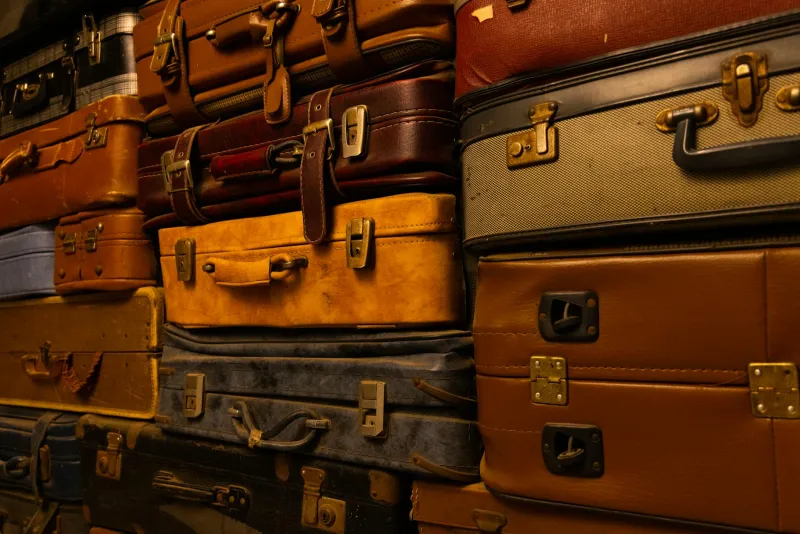
What Your Suitcase Says About Your Soul: The Eternal Gap Between Who You Are and Who You Pack to Become
The Pharaoh's Excess Baggage
When archaeologists opened Tutankhamun's tomb in 1922, they discovered something that would be familiar to any modern traveler: the young pharaoh had packed far more than he could possibly need for his journey to the afterlife. Golden chariots, ceremonial weapons he'd never used in life, board games, and enough clothing to outfit a small army.
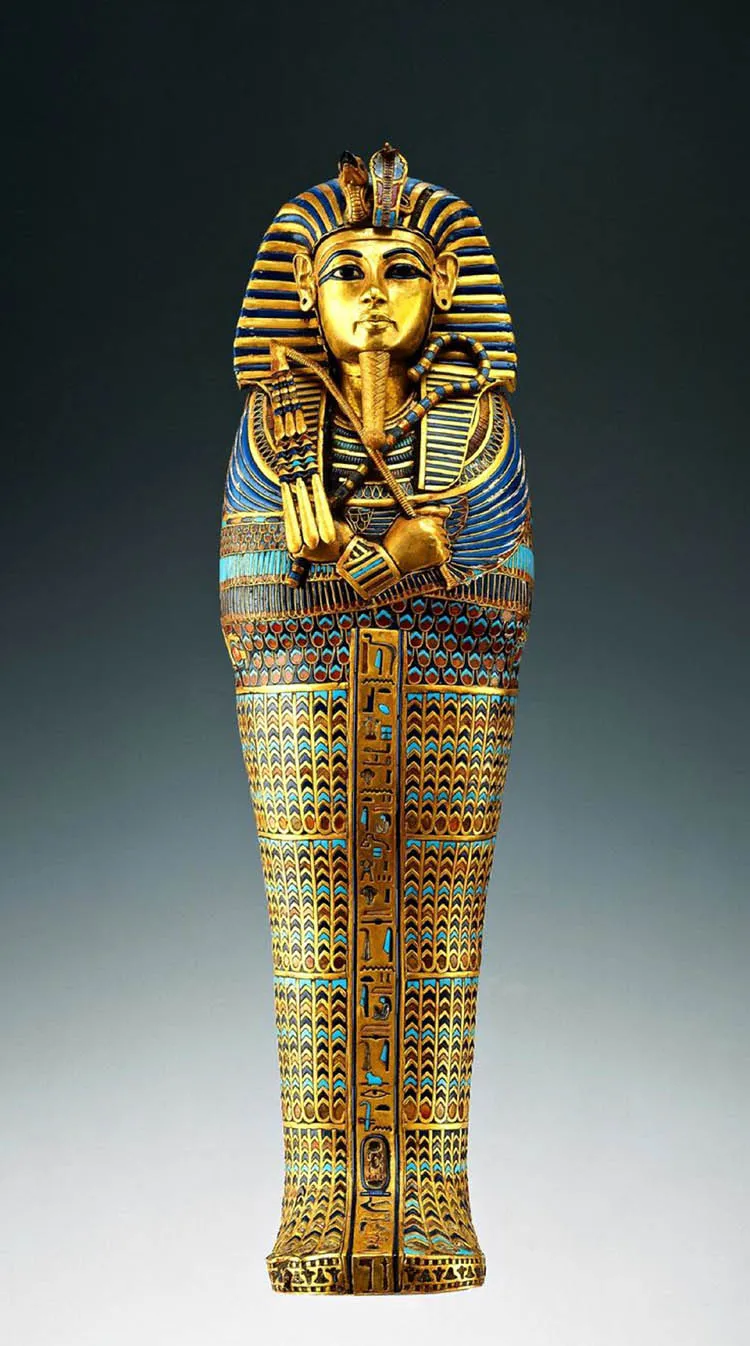 Photo: Tutankhamun, via dailyasianage.com
This wasn't religious devotion. It was the same psychological phenomenon that leads contemporary travelers to pack three pairs of shoes for a weekend trip "just in case." The gap between what we pack and what we use reveals something more profound than poor planning — it exposes the eternal tension between who we are and who we imagine travel will make us.
The Victorian Trunk Delusion
Nineteenth-century American tourists traveling to European spas carried trunks that required teams of porters to move. Inside: formal dinner wear for hotels they'd never visit, riding habits for horses they'd never mount, and elaborate toiletries for beauty routines they'd abandon after the first week.
Their travel journals tell a consistent story. Day one: excitement about using all the carefully selected items. Day seven: frustration with the burden of carrying unused possessions. Day fourteen: purchasing local replacements for the practical items they'd left behind.
This pattern wasn't unique to Victorian tourists. Roman officials traveling the empire's roads carried similar excesses. Chinese merchants on the Silk Road loaded pack animals with ceremonial goods they'd never use. The technology changes; the psychology remains constant.
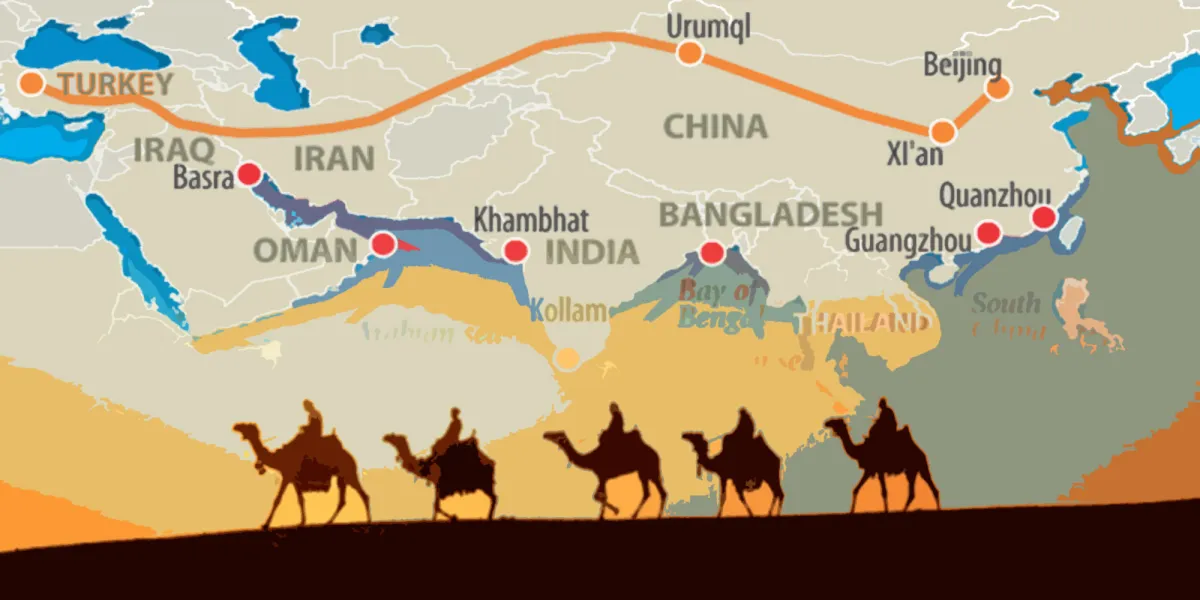 Photo: Silk Road, via s-i.huffpost.com
The Optimistic Self in Your Carry-On
Modern packing reveals the same aspirational gap with different objects. The running shoes that never touch pavement. The dress clothes for dinners that never materialize. The books that remain unread while you scroll through your phone.
Each unused item represents a version of yourself you hoped to become at the destination. The running shoes belong to the disciplined traveler who wakes early for morning jogs. The dress clothes belong to the sophisticated traveler who seeks out fine dining. The books belong to the contemplative traveler who finds quiet moments for reflection.
These aren't lies we tell ourselves — they're possibilities we refuse to foreclose. Packing becomes an act of optimism, a hedge against the limitation of our usual selves.
The Merchant's Practical Truth
There's a reason medieval merchants and modern backpackers often carry remarkably similar loads: both groups learned to pack for reality rather than aspiration. When your livelihood depends on mobility, excess becomes literally costly.
Silk Road traders developed sophisticated systems for distinguishing between essential and aspirational items. Their packing lists, preserved in Dunhuang cave documents, reveal a ruthless pragmatism: tools for the journey they were actually taking, not the journey they wished they were taking.
This merchant mindset appears throughout history whenever travel becomes professional rather than recreational. Military campaigns, diplomatic missions, and trade expeditions all develop similar patterns: initial over-packing followed by progressive elimination of non-essential items.
The Weight of Becoming
The psychological function of packing extends beyond practical preparation. The act of selecting items for travel forces us to make explicit choices about identity. Each item included represents a commitment to a particular version of ourselves. Each item excluded represents a self we're willing to abandon, at least temporarily.
This explains why packing decisions often feel disproportionately difficult. We're not just choosing objects — we're curating possibilities. The stress of packing isn't really about forgetting something important. It's about foreclosing potential selves.
Digital-age travelers face an intensified version of this ancient dilemma. The theoretical ability to work from anywhere creates pressure to pack for every possible professional scenario. The smartphone's camera function creates pressure to pack for every possible aesthetic scenario. The multiplication of possibilities multiplies the anxiety of choice.
The Liberation of Limitation
The most experienced travelers across cultures and centuries share a common discovery: constraint creates rather than eliminates possibility. The limitation of carrying capacity forces prioritization, and prioritization forces clarity about what actually matters.
This isn't minimalism as aesthetic choice but minimalism as cognitive tool. When you can only carry what fits in a single bag, every item must justify its space not just practically but psychologically. The question becomes not "might I need this?" but "is this essential to the person I'm committed to being on this journey?"
Modern "packing light" movements represent the rediscovery of this ancient wisdom, but they often miss the psychological dimension. The goal isn't efficiency for its own sake but clarity about intention.
The Archaeology of Aspiration
Your unused items tell a story more honest than any travel journal. They reveal the gap between intention and action, between aspiration and reality. This gap isn't a failure — it's a fundamental feature of human psychology.
The Egyptian official who packed ritual objects for a diplomatic mission wasn't being impractical. He was acknowledging that travel creates opportunities for transformation, and transformation requires tools. The Victorian tourist who packed formal wear for a hiking trip wasn't being naive. She was refusing to limit her possibilities before the journey began.
Understanding this psychology doesn't eliminate the gap between what we pack and what we use. But it transforms that gap from a source of frustration into a source of insight. Your suitcase becomes an archaeological record of your relationship with possibility itself.
The stranger you become on the road may not be the stranger you packed to become. But the act of packing creates the space for that transformation to occur. The items you don't use aren't mistakes — they're evidence that travel worked.