When a Waterfall Became a Wedding Machine: The Industrial Romance of Niagara Falls
The Geography of Expectation
In 1801, Jerome Bonaparte, Napoleon's youngest brother, chose Niagara Falls for his honeymoon with Elizabeth Patterson of Baltimore. By 1900, an estimated 40,000 newlywed couples annually made the pilgrimage to the same thundering cascade. This transformation from scenic curiosity to matrimonial necessity represents one of the first examples of industrial-scale destination manufacturing in American history.
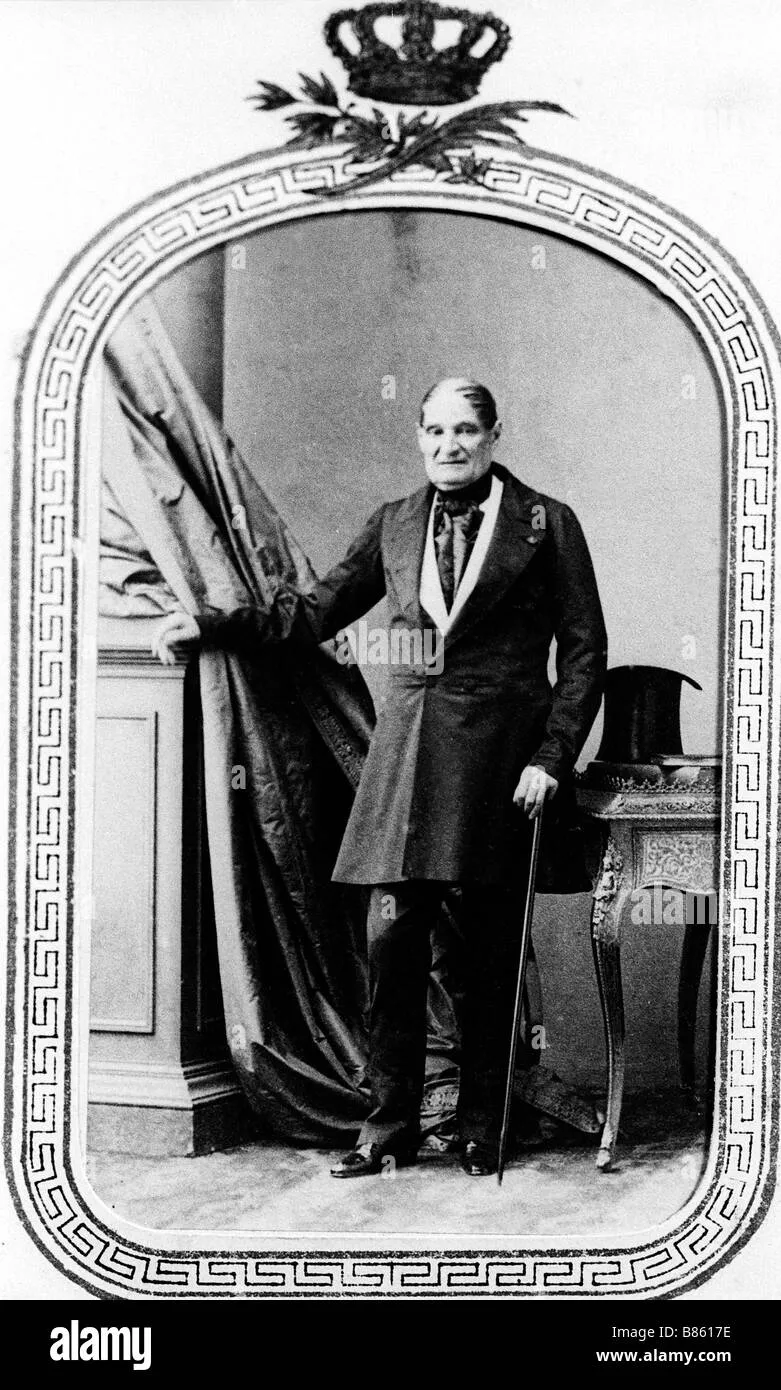 Photo: Jerome Bonaparte, via c8.alamy.com
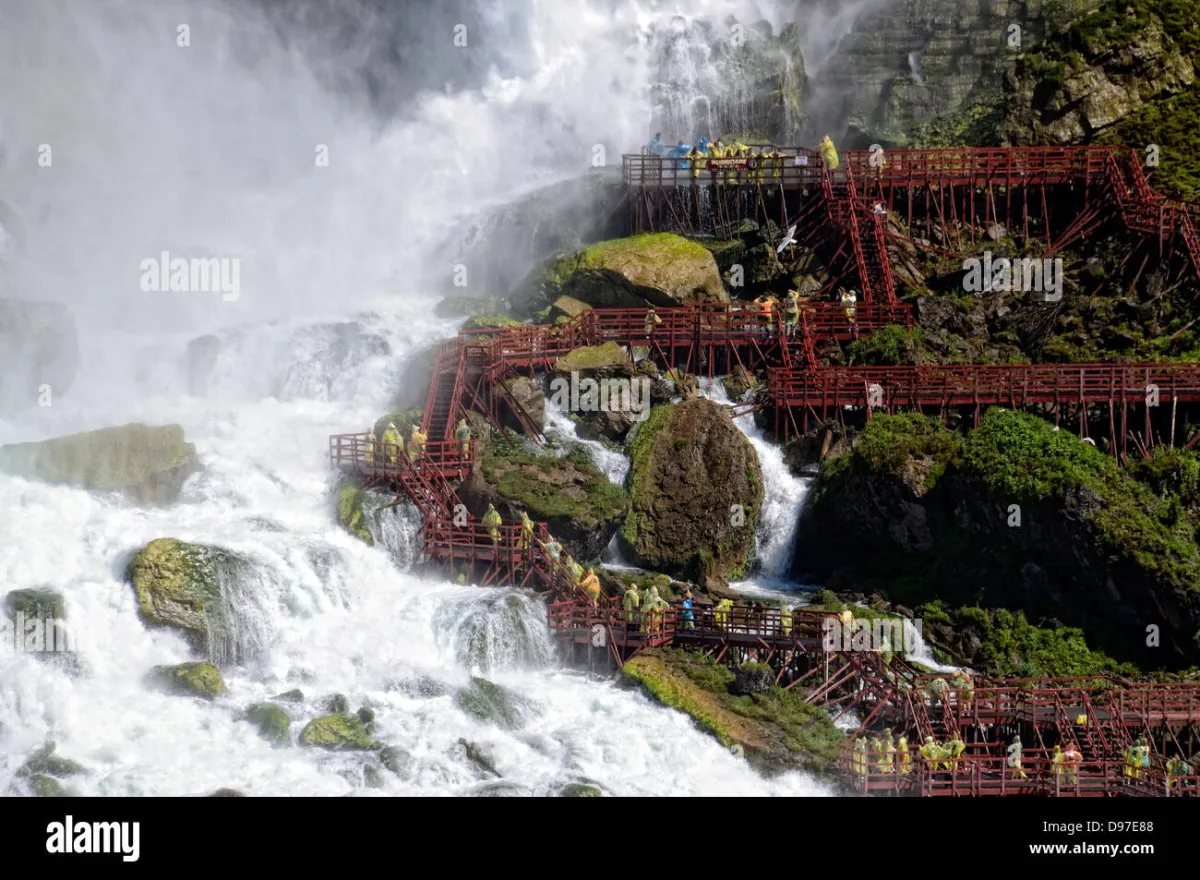 Photo: Niagara Falls, via c8.alamy.com
The mechanics were surprisingly deliberate. Railroad companies, recognizing the profit potential in ritualized travel, began packaging honeymoon excursions in the 1840s. Hotels sprouted along the American and Canadian sides, each advertising their particular view of the falls as uniquely romantic. The Cataract House, opened in 1824, pioneered the concept of the "bridal suite"—a premium accommodation category that exists today in every resort chain from Miami to Maui.
The Machinery of Sacred Space
What made Niagara irresistible was not the waterfall itself, but the social machinery that surrounded it. Tour guides developed standardized romantic narratives. Photographers established scenic viewpoints optimized for couples. Souvenir vendors created commemorative objects that transformed the visit into permanent proof of devotion.
Most crucially, the destination solved a distinctly American problem: how to sanctify marriage in a culture that had rejected Old World traditions of arranged unions and family oversight. Niagara offered newlyweds a shared ritual that felt both spontaneous and inevitable—a way to mark the transition from courtship to marriage with something grander than a church ceremony.
The falls became a mirror that reflected back what couples needed to see: their love was as powerful as nature, as eternal as geological time, as spectacular as the most famous waterfall in America. Hotels understood this psychology and designed experiences accordingly. The Prospect House installed floor-to-ceiling windows facing the falls in every room. The International Hotel offered midnight viewings by gaslight.
The Visible Formula
By the 1920s, Niagara's success had become its weakness. The honeymoon industry was so efficient that the experience felt manufactured rather than magical. Guidebooks detailed exactly which emotions visitors should feel at which viewpoints. Postcards pre-scripted the language couples used to describe their experience to friends back home.
Comedians began mocking the Niagara honeymoon as a cliché. Hollywood films used the destination as shorthand for bourgeois conformity. The very visibility of the romantic formula—the predictable itinerary, the standard photographs, the identical hotel suites—stripped away the sense of discovery that had made the original experience meaningful.
The Migration of Sacred Geography
As Niagara lost its monopoly on honeymoon romance, the pattern it established migrated to new destinations. The Poconos heart-shaped tubs of the 1960s. The Caribbean all-inclusive resorts of the 1980s. Today's Instagram-optimized destinations in Santorini and Bali. Each follows the same formula: identify a romantic setting, build supporting infrastructure, market the experience as both unique and inevitable, then watch as success breeds imitation until the magic dissipates.
The Next Niagara
The question facing modern travelers is not whether this cycle will repeat, but where. Current honeymoon trends suggest several candidates: the glass igloos of Finnish Lapland, where couples can watch the Northern Lights from heated transparency. The overwater bungalows of French Polynesia, which promise privacy surrounded by infinite ocean. The safari lodges of East Africa, where romance plays out against the backdrop of wildlife migration.
Each destination offers what Niagara once provided: a setting so spectacular that ordinary love feels elevated by association. The challenge for modern couples is recognizing when a destination's romantic reputation serves their actual relationship versus serving the tourism industry's need for predictable demand.
The Eternal Return
Niagara Falls still attracts honeymooners, but in much smaller numbers. The waterfall remains as powerful as ever; what changed was the cultural machinery that transformed geological wonder into emotional necessity. Today's couples often visit ironically, acknowledging the destination's clichéd reputation while still hoping to experience something authentic.
This ironic engagement reveals an important truth about travel psychology: we simultaneously crave uniqueness and seek validation through shared experience. The honeymoon destination must feel both personally meaningful and culturally recognized. Too unique, and the experience lacks social weight. Too common, and it feels meaningless.
The story of Niagara Falls teaches us that sacred geography is always temporary, always manufactured, and always in migration to new locations. The waterfall endures, but the meaning we attach to it shifts with each generation's need to mark life's transitions in ways that feel both personal and universal. Understanding this pattern helps modern travelers choose destinations for their own reasons rather than inherited expectations—a skill that becomes more valuable as the tourism industry becomes ever more sophisticated at manufacturing meaning we mistake for our own.