Curating the Self Through Stickers: A Century of Luggage Labels as Identity Performance
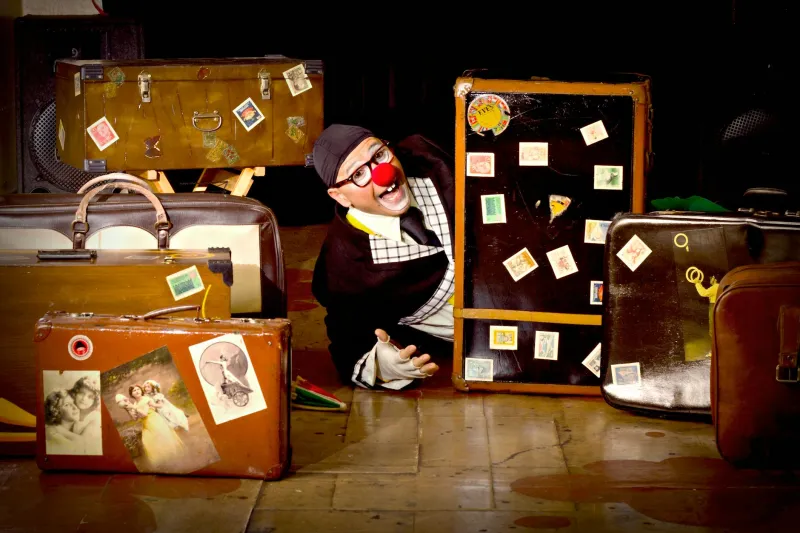
The Museum on Wheels
In 1925, a well-traveled American businessman could be identified by his luggage before he opened his mouth. His steamer trunk bore the colorful paper rectangles that served as both passport stamps and social credentials: the Savoy London, the Ritz Paris, the Oriental Bangkok. These weren't merely baggage identification—they were carefully curated exhibitions of worldliness, designed to communicate status to strangers in hotel lobbies and train stations across two continents.
 Photo: Savoy London, via dq5r178u4t83b.cloudfront.net
The psychology behind this practice hasn't changed in a century. Only the medium has evolved from paper labels to digital check-ins, but the fundamental human need remains constant: to transform private experience into public proof of our interesting lives.
The Architecture of Aspiration
Luggage labels emerged during the golden age of ocean liner travel, when crossing the Atlantic required weeks of shared social space with strangers. Your trunk became your autobiography, readable at a glance by anyone who understood the visual vocabulary of international luxury. The Hotel Metropole Monte Carlo label signaled gambling sophistication. The Palace Hotel San Francisco suggested American frontier adventure refined by European standards.
Hotel owners quickly recognized the marketing potential. Labels became increasingly elaborate, featuring art nouveau designs and exotic imagery that promised transformation through association. The label from the Taj Mahal Hotel in Bombay didn't just identify your luggage—it suggested you were the sort of person who casually visited maharajas.
 Photo: Taj Mahal Hotel in Bombay, via cdn.pixabay.com
This system worked because it was difficult to fake. Acquiring authentic labels required actual travel, actual expense, actual time away from home. The stickers served as a primitive verification system in an era before photography made lying about your adventures easy.
The Democratization of Distinction
The rise of automobile travel in the 1950s shifted the performance from luggage to car bumpers, but the psychology remained identical. "I've Been to the Top of Pike's Peak" and "See Ruby Falls" stickers served the same social function as grand hotel labels, just scaled to middle-class budgets and domestic destinations.
Roadside attractions understood this dynamic and designed their souvenirs accordingly. The most successful attractions weren't necessarily the most impressive—they were the most recognizable. A sticker from Wall Drug or South of the Border communicated insider knowledge of America's quirky roadside culture, a form of cultural capital that required miles driven rather than money spent.
The CB radio era added another layer, with truckers and RV travelers creating elaborate call signs and collecting QSL cards that served as proof of radio contact across vast distances. Each medium adapted the same core impulse: transforming movement through space into social currency.
The Digital Migration
Social media didn't create the urge to broadcast our travels—it simply made the audience infinite and immediate. The Instagram location tag functions exactly like the 1920s hotel label: proof of presence that transforms private experience into public performance. The psychology is so consistent that travel influencers often stage elaborate photo shoots at destinations they've never actually visited, understanding that the image matters more than the experience.
Foursquare check-ins, Facebook location tags, and Snapchat geofilters all serve the same fundamental need that once drove wealthy Americans to plaster their trunks with exotic hotel stickers. The difference is speed and scale—a century ago, your travel performance reached perhaps dozens of people over months; today it can reach thousands in seconds.
The Anxiety Beneath the Adventure
What drives this persistent need to externalize our internal experiences? The answer lies in the fundamental insecurity about whether our lives are interesting enough, sophisticated enough, adventurous enough to merit respect from strangers whose opinions shouldn't matter but somehow do.
Travel labels—whether paper, vinyl, or digital—serve as proof that we're living correctly, that we're the sort of people who seek new experiences rather than accepting routine. They're visual arguments for our own worth, deployed in social spaces where first impressions determine whether we're perceived as boring or fascinating.
This explains why certain destinations become "must-see" regardless of personal interest. The Eiffel Tower, Machu Picchu, the Grand Canyon—these places function as universal symbols that translate across cultural boundaries. Having been there communicates something specific about your priorities, your resources, your willingness to pursue experience over comfort.
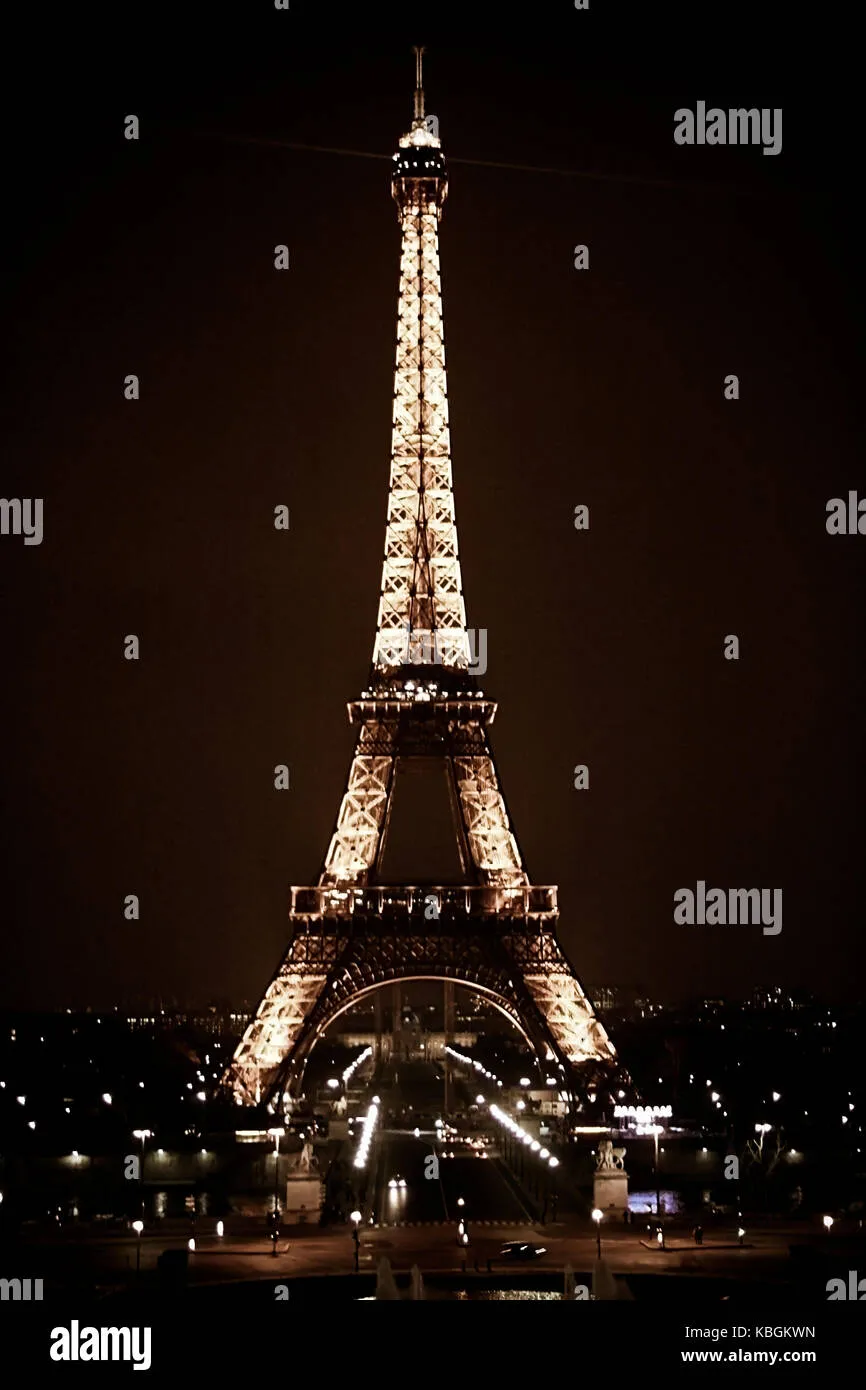 Photo: Eiffel Tower, via c8.alamy.com
The Curated vs. The Authentic
Modern travelers face a choice that their predecessors didn't: the ease of digital documentation makes it possible to craft an entirely false narrative of sophistication. You can post photos from restaurants you've never eaten at, museums you've never visited, cities you've never explored beyond the airport. The verification system that once made luggage labels meaningful has completely collapsed.
This creates a paradox: as it becomes easier to fake travel sophistication, authentic travelers must work harder to distinguish themselves from the performers. The result is an arms race of increasingly exotic destinations and experiences, each trying to outpace the imitators.
Reading the Modern Traveler
Understanding this psychology makes you a more sophisticated observer of travel culture. The person whose social media features exclusively famous landmarks is performing differently than the person who shares obscure local discoveries. The traveler who checks in at every airport versus the one who posts a single photo after returning home is making different statements about their relationship to audience and experience.
The most revealing detail isn't what people choose to share, but what they consistently avoid sharing. The truly confident traveler often posts nothing at all, understanding that the most powerful form of sophistication is not needing to prove it to strangers.
The luggage label tradition teaches us that the urge to transform experience into exhibition is deeply human and largely unconscious. Recognizing this impulse in ourselves and others doesn't eliminate it, but it does help us choose more deliberately between traveling for the experience itself versus traveling for the story we'll tell about the experience afterward.