The Digestive Theory of Travel: Why Your Stomach Remembers What Your Eyes Forget
The Pharaoh's Menu Survived His Pyramid
In 2450 BCE, an Egyptian official named Ptahhotep recorded his expedition to quarries near modern-day Aswan. His detailed account describes architectural marvels, engineering challenges, and logistical accomplishments that would have impressed any contemporary reader. But the passages that survived in personal letters and later references focus almost exclusively on a single evening meal: roasted duck seasoned with coriander, bread made from southern grain, and date wine served in silver cups.
The pyramid Ptahhotep helped build crumbled into archaeological fragments. His dinner menu became a template for Egyptian banquet literature that influenced Mediterranean cuisine for centuries.
This pattern—the meal remembered, the monument forgotten—appears with startling consistency across human travel literature. Roman expedition records, medieval pilgrimage accounts, Grand Tour diaries, and contemporary travel blogs all demonstrate the same hierarchical memory: food experiences embed themselves in personal narrative while visual spectacles fade into generic description.
The Neurological Explanation Tourism Ignores
Contemporary brain imaging reveals why Ptahhotep's dinner outlasted his pyramid in cultural memory. The human brain processes eating experiences through multiple sensory and social pathways simultaneously: taste, smell, texture, temperature, social context, and emotional state all contribute to a single, multidimensional memory engram that resists degradation over time.
Visual experiences, by contrast, are processed primarily through a single pathway that the brain treats as informational rather than experiential. You can remember seeing the Colosseum, but you cannot re-experience seeing it. You can, however, re-experience the taste of gelato eaten in its shadow—the sweetness, the cold, the social context, the emotional satisfaction all remain accessible to conscious recall.
This neurological reality explains why the modern tourism industry, built almost entirely around visual consumption, fundamentally misunderstands how human memory actually works. We've constructed a global infrastructure designed to deliver experiences that the brain categorizes as temporary information rather than permanent memory.
The Ancient Wisdom of Culinary Cartography
Roman travel guides from the 1st century CE organized destinations not around architectural attractions but around regional specialties and local dining customs. The "Antonine Itinerary," essentially the world's first travel guidebook, devoted more text to describing local breads, wines, and cooking methods than to describing temples, theaters, or civic buildings.
This wasn't primitive prioritization—it was sophisticated understanding of what actually mattered to travelers. Roman tourists expected to return home with stories that could be shared, and food experiences provided narratives that could be recreated, reimagined, and retold in ways that visual spectacles could not.
Medieval pilgrimage guides followed the same pattern. The "Codex Calixtinus," a 12th-century guide to the Camino de Santiago, spends entire chapters describing regional dishes, local ingredients, and proper eating customs while dismissing most architectural landmarks with brief mentions of their religious significance.
 Photo: Camino de Santiago, via www.athenshotspots.gr
These ancient travel writers understood intuitively what modern neuroscience confirms: that human beings remember journeys through their digestive systems, not their visual cortex.
Why Instagram Killed Travel Memory
The photograph fundamentally altered humanity's relationship with travel experience by creating the illusion that visual consumption could substitute for multisensory engagement. Pre-photographic travelers had to rely on memory, description, and imagination to preserve and share their experiences, naturally prioritizing encounters that embedded themselves deeply in personal consciousness.
Photography allowed travelers to outsource visual memory to external devices, paradoxically weakening their ability to form lasting personal memories of the places they visited. Contemporary travelers can scroll through hundreds of destination photos without being able to recall a single meal eaten during the same journey.
This explains the curious hollowness that many people report after returning from heavily photographed vacations. They possess extensive visual documentation of their experiences but lack the rich sensory memories that previous generations of travelers took for granted.
Social media amplified this dysfunction by incentivizing travelers to prioritize shareable visual content over memorable personal experience. The perfect Instagram photo requires careful staging, optimal lighting, and social performance—all of which actively interfere with the relaxed attention necessary for deep memory formation.
The Michelin Guide's Accidental Genius
When André and Édouard Michelin created their restaurant rating system in 1900, they accidentally solved tourism's fundamental memory problem. By organizing travel around culinary destinations rather than visual attractions, they created itineraries that aligned with how human memory actually functions.
The Michelin system's genius wasn't its rating methodology—it was its recognition that restaurants provide everything necessary for lasting travel memory: sensory complexity, social interaction, cultural education, and temporal rhythm. A great meal creates the neurological conditions for deep memory formation in ways that even the most spectacular monument cannot.
This explains why "food tourism" has become the fastest-growing segment of the travel industry, and why culinary experiences consistently receive the highest satisfaction ratings from travelers. It's not that food has become more important—it's that we've finally rediscovered what ancient travelers always knew.
The Table as Destination
Every culture that developed a travel industry eventually organized it around eating rather than seeing. The Roman "grand tour" was fundamentally a culinary education disguised as cultural refinement. Medieval pilgrimage was structured around feast days and religious banquets. The 18th-century European spa circuit was designed around elaborate dining rituals and regional specialties.
American road trip culture followed the same pattern until the Interstate Highway System prioritized speed over experience. Pre-Interstate American travel guides organized routes around local diners, regional specialties, and famous restaurants. The journey was the destination, and the destination was the meal.
The modern American obsession with "roadside attractions" and "scenic overlooks" represents a historical aberration—a brief period when visual consumption temporarily displaced culinary experience as the primary organizing principle of leisure travel.
Practical Applications for the Memory-Conscious Traveler
Understanding the neuroscience of travel memory suggests specific strategies for creating journeys that will remain accessible to conscious recall:
Prioritize meals over museums. Your brain will remember the trattoria in Rome more vividly than the Vatican Museum, regardless of their relative cultural importance.
 Photo: Vatican Museum, via p7.hiclipart.com
Eat with locals whenever possible. Social eating experiences create stronger memory engrams than solitary visual consumption.
Choose restaurants over room service. The effort required to navigate local dining customs creates additional memory anchors that strengthen overall trip recall.
Document flavors, not just photos. Written descriptions of taste, smell, and texture provide memory cues that photographs cannot replicate.
The Inevitable Return to the Ancient Way
The global tourism industry is slowly rediscovering what Ptahhotep knew 4,500 years ago: that human beings travel with their entire sensory apparatus, not just their eyes. The rise of culinary tourism, food-focused travel programming, and experiential dining represents a return to ancient priorities rather than modern innovation.
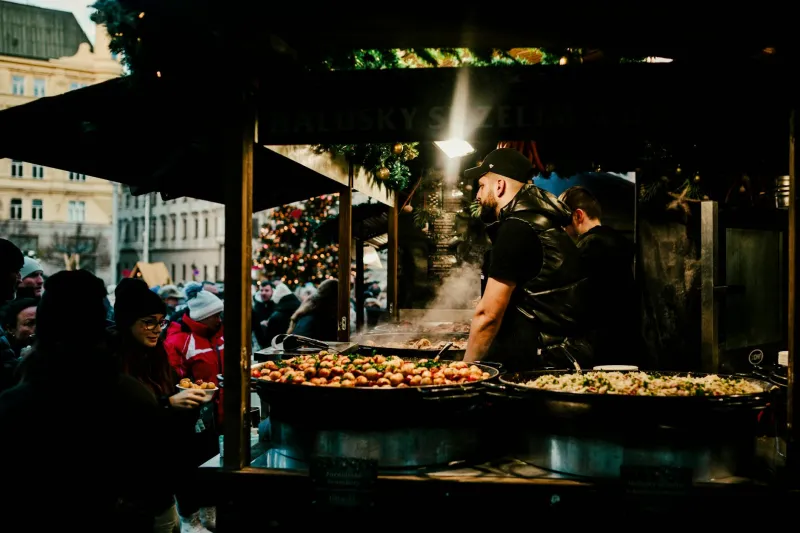
The next time you plan a journey, remember that your brain is designed to remember meals, not monuments. The cathedral will fade into a generic memory of stone and light, but the lunch eaten in its shadow—the taste, the company, the conversation, the moment of satisfaction—will remain vivid for decades.
After all, we are what we eat, especially when we eat it somewhere we've never been before.