The Receipt for a Better Self: What Museum Gift Shop Purchases Actually Confess
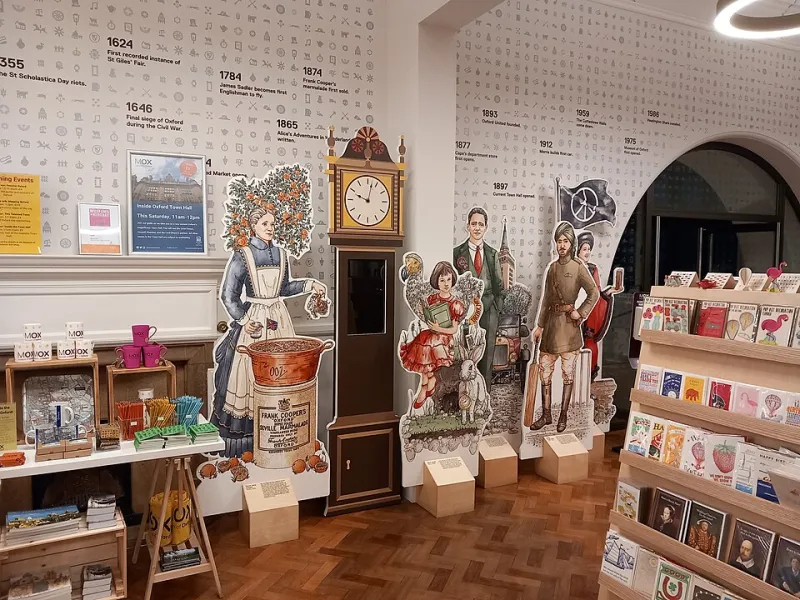
Photo: The History Wizard of Cambridge, CC0, via Wikimedia Commons
Notice what happens in the last ten minutes of a serious museum visit. The contemplative pace that characterized the galleries — the long pauses, the tilted heads, the genuine effort at attention — accelerates into something more purposeful the moment the gift shop comes into view. The visitor who spent forty minutes with a single Rembrandt now moves with the efficiency of someone who has somewhere to be. They are, in a very specific sense, shopping for proof.
Museum retail is not a trivial industry. Major American institutions generate tens of millions of dollars annually from their shops, and the Metropolitan Museum of Art alone has operated retail locations beyond its own walls for decades. These are not afterthoughts. They are, in the institutional vocabulary of the modern museum, revenue centers — and they exist because someone, long ago, correctly identified that the person leaving a museum is in a psychologically distinctive state, temporarily inhabiting a version of themselves they find appealing and are willing to pay to preserve.
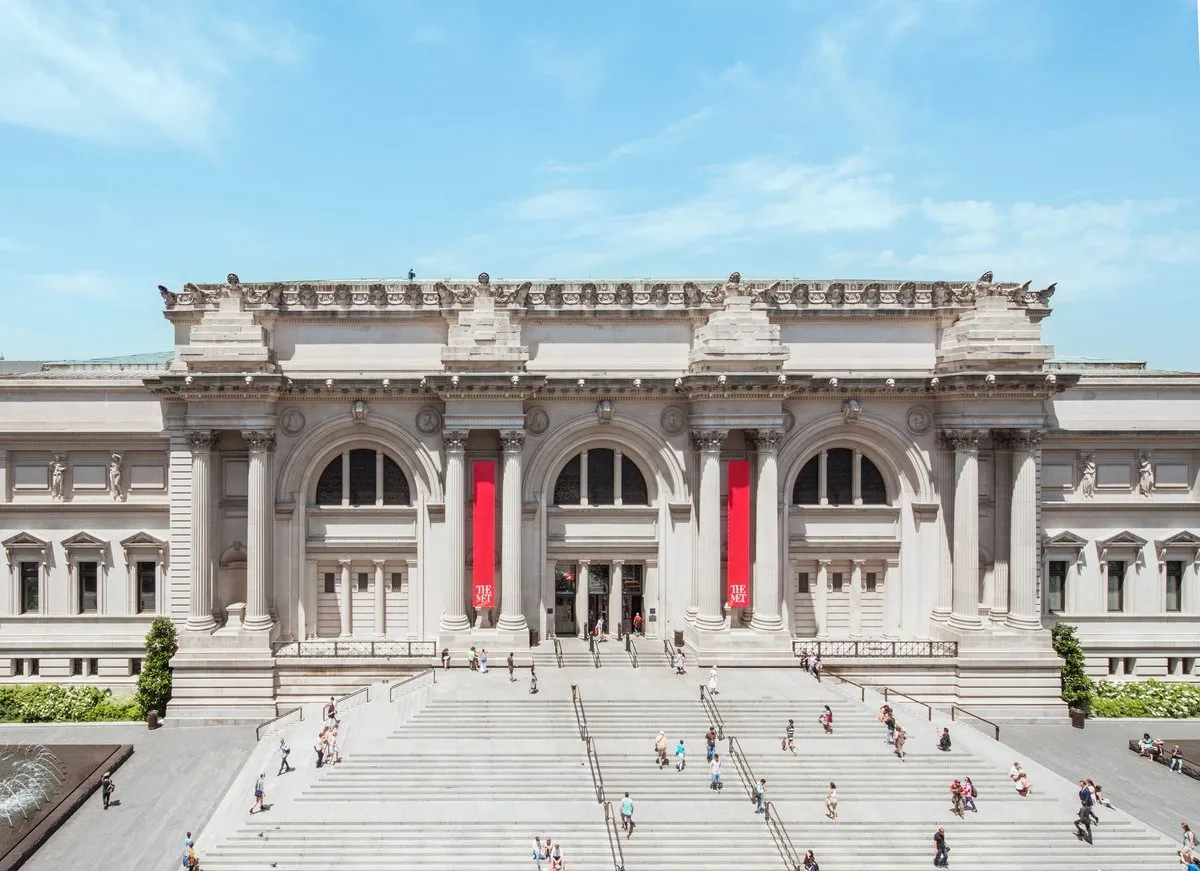 Photo: Metropolitan Museum of Art, via dynamic-media-cdn.tripadvisor.com
Understanding what drives that purchase requires looking at how museums came to occupy their particular position in American moral life — and how retail quietly colonized the authority that position conferred.
The Museum as Moral Institution
The great American museums of the late nineteenth century were not built primarily as entertainment venues. They were built as instruments of civic improvement, and their founders said so explicitly. The Metropolitan Museum of Art opened in 1870 with a stated mission that included the education of the working classes and the elevation of public taste. The Art Institute of Chicago, the Boston Museum of Fine Arts, and their contemporaries were established during the same period with similar language — the museum as a place where exposure to beauty would make citizens better, more refined, more capable of the moral seriousness a democracy required.
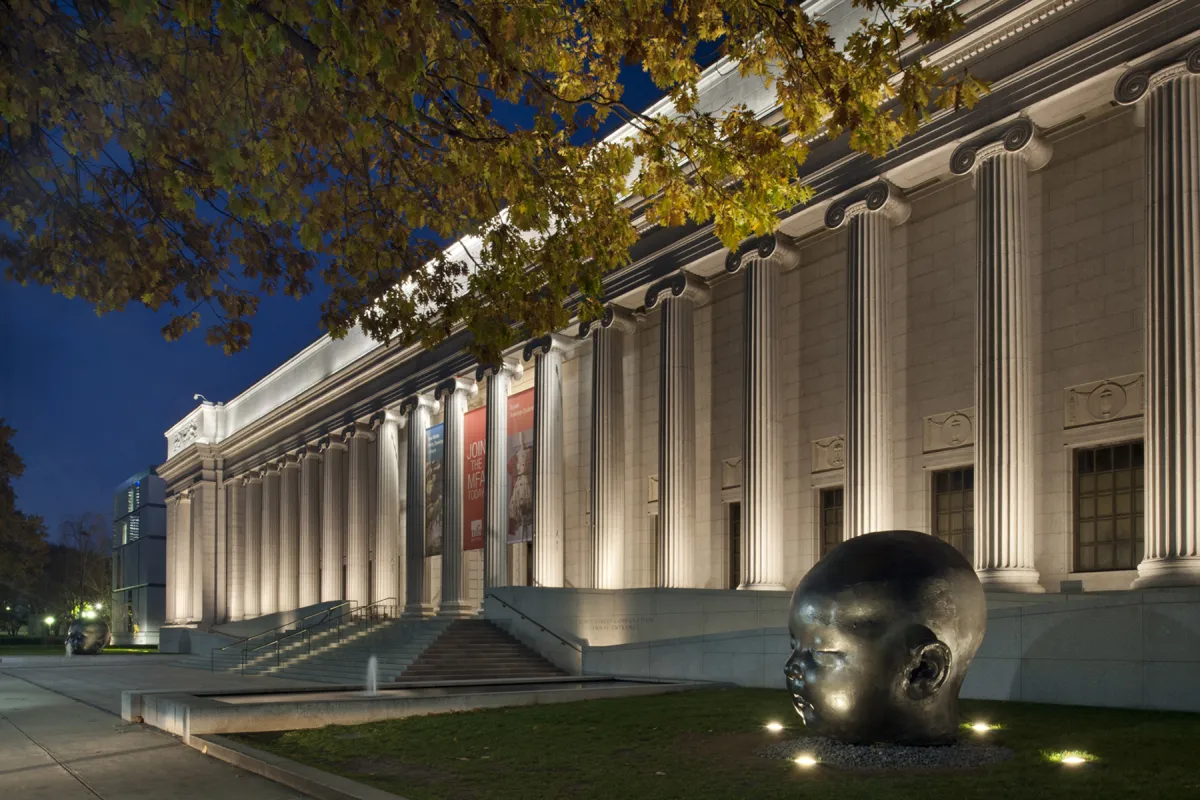 Photo: Boston Museum of Fine Arts, via images.squarespace-cdn.com
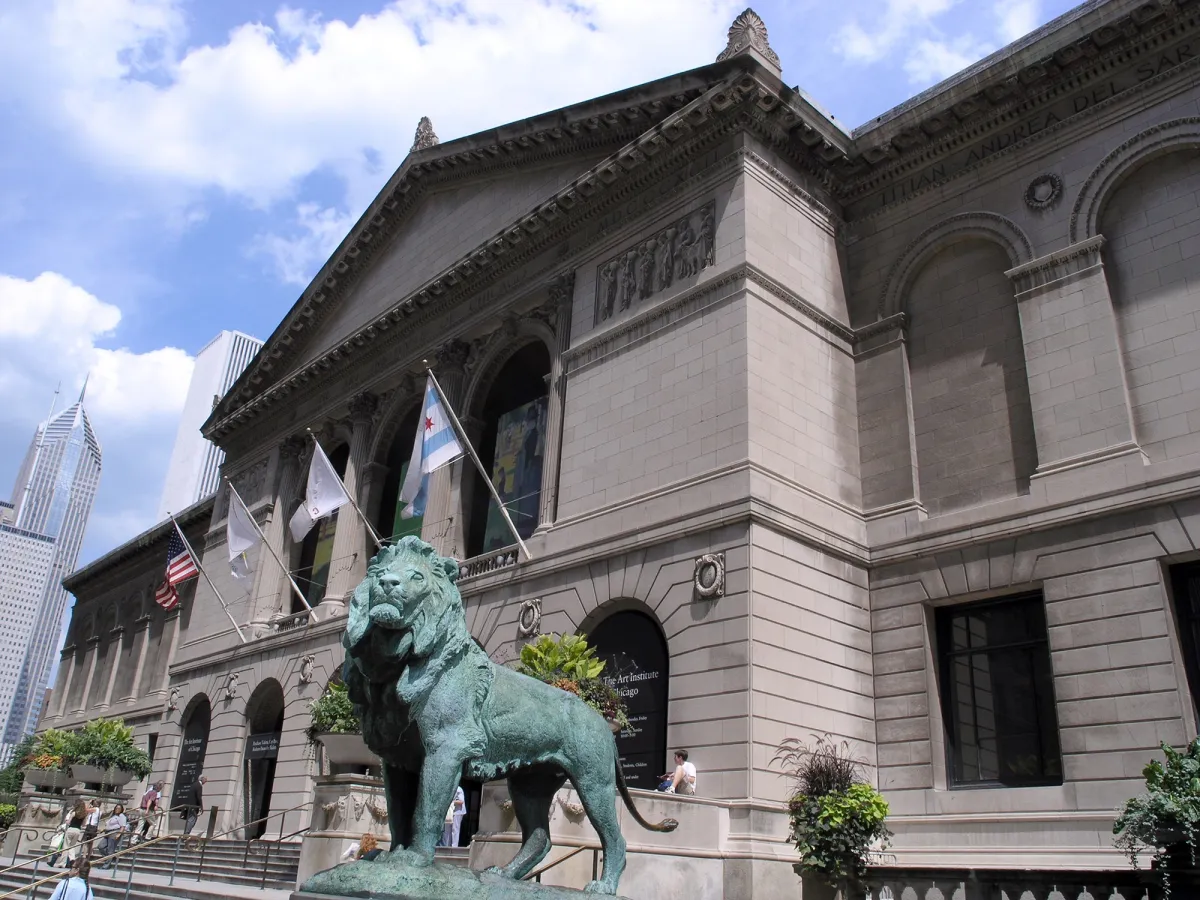 Photo: Art Institute of Chicago, via s3.amazonaws.com
This framing had enormous consequences for how Americans learned to experience museum visits. To walk through a museum was not merely to look at things. It was to participate in a process of self-improvement. The art was the curriculum. The visitor was the student. And crucially, the museum itself was the institution that validated the transaction — that confirmed, by its very architecture and authority, that the person inside it was engaged in something worthwhile.
That validation is what the gift shop sells. Not the object. The validation.
The Psychology of the Exit Purchase
Consider the specific psychology of the museum visitor in the final minutes of a visit. They have spent time — sometimes considerable time — in an environment explicitly designed to cultivate attention, reflection, and aesthetic seriousness. They have, in however modest a way, succeeded at being the kind of person who visits museums and looks carefully at things. That self-perception is pleasant. It is also, they are dimly aware, temporary.
The parking garage is waiting. The commute is waiting. The inbox, the notifications, the accumulated frictions of ordinary life are all waiting just beyond the exit. The person who stood quietly before a Monet for eight uninterrupted minutes will, within the hour, be someone who stood quietly before a Monet for eight minutes — past tense, receding.
The gift shop offers a solution to this problem. The tote bag printed with a detail from the collection, the art print rolled into a cardboard tube, the exhibition catalog purchased with genuine intention of reading it — each of these objects is a physical anchor for an identity that would otherwise dissolve on contact with the parking garage. The purchase says: I was that person. I have evidence. The object is not a souvenir of the art. It is a souvenir of the self.
This is not a modern neurosis. It is one of the oldest functions of the material object in human culture. For as long as people have traveled to sacred places — temples, pilgrimage sites, oracles — they have returned with objects that testified to the journey. The Roman pilgrim carried a clay lamp from a shrine. The medieval pilgrim wore a badge from Canterbury. The contemporary museum visitor carries a canvas tote. The mechanism is identical. The sacred site has changed. The need for proof has not.
How Retail Learned to Speak the Museum's Language
The integration of retail into the museum experience was not immediate, and it was not without institutional discomfort. For much of the twentieth century, museum shops were modest operations — postcards, basic reproductions, perhaps a few scholarly titles. The idea that aggressive retail might compromise the museum's moral authority was taken seriously by people whose opinions mattered.
What changed was money, and the particular form that money pressure took. As public funding for cultural institutions declined through the 1970s and 1980s, museums were pushed toward self-sufficiency in ways that required them to think about visitors differently — not merely as beneficiaries of civic improvement, but as consumers with disposable income and demonstrated willingness to spend it in proximity to art. The gift shop expanded. The restaurant appeared. The blockbuster exhibition was engineered partly for its retail potential.
Crucially, the retail apparatus learned to adopt the museum's own moral vocabulary. The tote bag was not merely a bag. It was a statement of cultural engagement. The art print was not merely decoration. It was a daily reminder of one's aesthetic commitments. The catalog was not merely a book. It was evidence of the kind of person who reads such books. Every product in the museum shop is positioned as an extension of the museum's civilizing mission — which is the most effective possible retail strategy, because it makes the purchase feel like virtue rather than consumption.
What the Mirror Actually Shows
The museum gift shop is, as a result, one of the more honest retail environments in American life — not because it is transparent about its methods, but because the purchases made there are unusually transparent about the purchaser's psychology. The traveler who buys a snow globe at an airport is buying a geographic marker. The traveler who buys a reproduction of a Flemish still life at a museum exit is buying a self-concept.
This distinction matters for anyone thinking carefully about why they travel and what they carry home. The museum visit itself — the two hours of genuine attention, however imperfect — is real. The person who stood before the Rembrandt actually stood there. The experience does not require a receipt to have occurred.
The purchase at the exit is not wrong. But it is worth examining honestly. What you reach for in that shop, and why you reach for it, and whether you will look at it six months from now — these questions tell you more about the gap between who you are and who you briefly believed yourself to be than any catalog essay ever will.
The museum's most honest exhibit is the one just before the parking garage. It is called the gift shop, and everything in it is a mirror.