The Original Wellness Grift: What 19th-Century Mineral Springs Taught America About Selling Transformation
The Theater of Transformation
Walk into any modern wellness resort and you're experiencing a performance that premiered in the drawing rooms of Saratoga Springs 150 years ago. The script has been updated—"mineral springs" became "detox programs," "taking the waters" became "juice cleanses," "nervous exhaustion" became "stress management"—but the fundamental transaction remains identical: paying premium prices for the promise that a temporary change of location can produce permanent personal transformation.
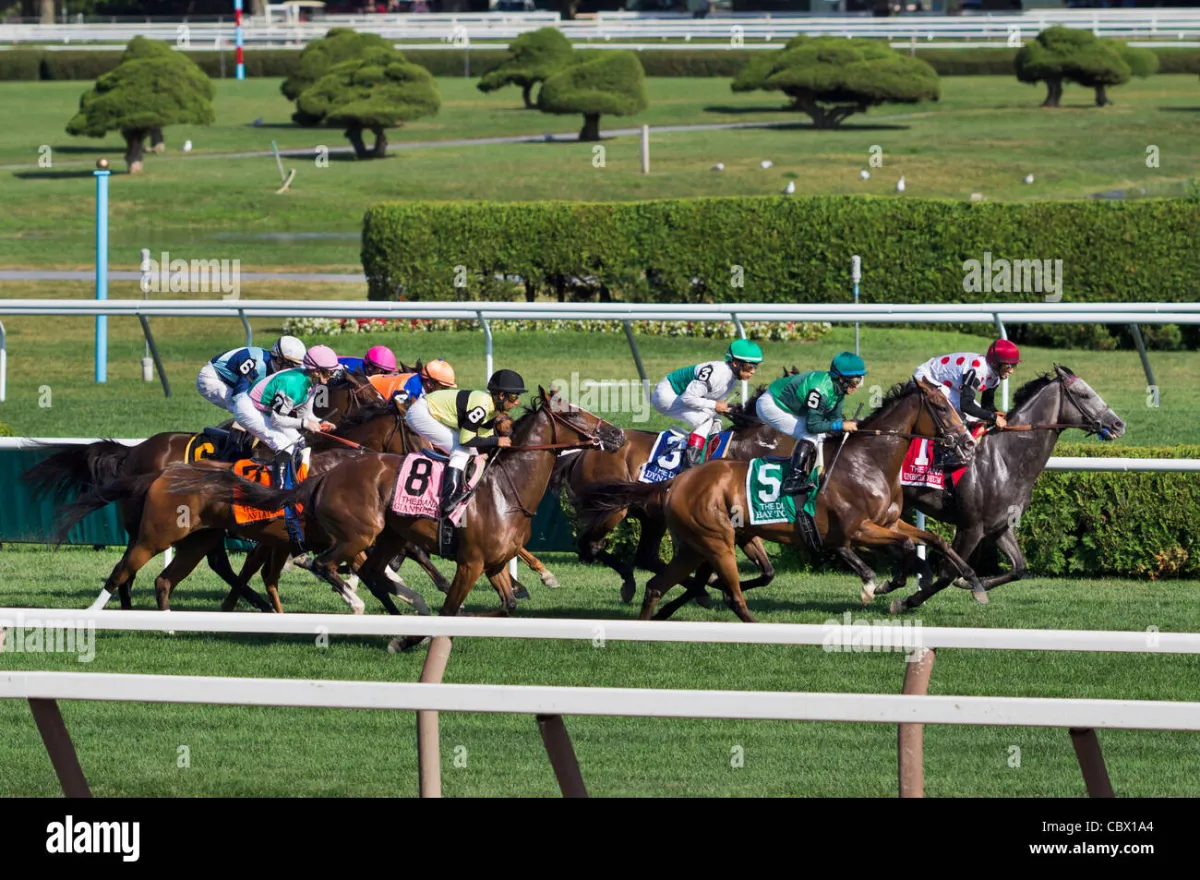 Photo: Saratoga Springs, via c8.alamy.com
The grand hotels of the American mineral springs circuit weren't selling water. They were selling theater. The sulfurous smell that made visitors gag wasn't a bug in the experience—it was proof that something powerful was happening. If the cure didn't taste terrible, smell awful, or require some form of suffering, how could guests be sure it was working?
The Science of Suffering
Saratoga Springs, White Sulphur Springs, Hot Springs Arkansas—these destinations built their reputations on a simple principle that modern wellness marketers have never improved upon: the worse something tastes, the better it must be for you. Guests paid extraordinary sums to drink water that smelled like rotten eggs and left them feeling nauseated, then convinced themselves that the discomfort proved the treatment was working.
 Photo: Hot Springs Arkansas, via www.goodfreephotos.com
The medical establishment of the 1870s provided just enough scientific credibility to make the experience feel legitimate without enough actual knowledge to expose the placebo effect. Doctors prescribed "taking the waters" for everything from rheumatism to melancholia, creating a perfect partnership between medical authority and commercial interest that modern wellness culture has refined but never replaced.
The Architecture of Belief
The grand hotels understood that environment shapes expectation, and expectation drives results. The massive resort complexes at destinations like French Lick Springs and Hot Springs weren't just accommodations—they were elaborate stage sets designed to make guests feel that something significant was happening to them.
Every architectural detail reinforced the narrative of transformation: the imposing facades that made visitors feel small and supplicant, the elaborate rituals around "taking the waters" that created a sense of ceremony, the strict schedules that gave structure to what was essentially expensive idleness. The hotels sold routine disguised as ritual, creating an atmosphere where paying guests felt they were participating in something profound rather than simply taking a bath.
The Economics of Hope
The mineral springs circuit perfected what modern behavioral economists call "pain point pricing"—the practice of charging more for experiences that promise to solve problems rather than simply provide pleasure. A night at the Grand Hotel in Mackinac Island cost the same as a week's wages for most Americans, but guests convinced themselves they weren't paying for luxury—they were investing in health.
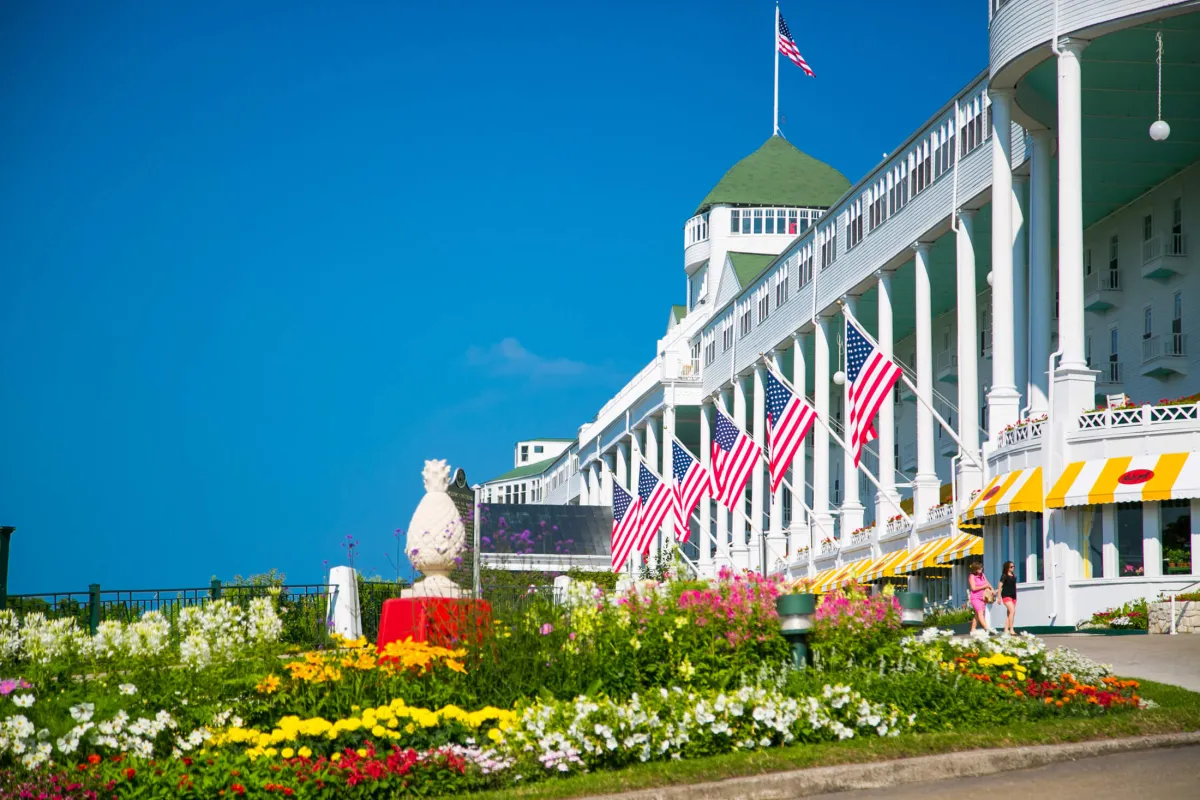 Photo: Grand Hotel in Mackinac Island, via www.grandhotel.com
This psychological framework allowed the hotels to charge premium prices while providing what was essentially rustic accommodation by modern standards. Guests slept on hard beds, ate bland food, and followed rigid schedules, then praised the experience as transformative. The discomfort wasn't a drawback—it was evidence that they were getting their money's worth.
The Manufacture of Authenticity
The springs resorts faced the same challenge that confronts every wellness destination: how to make a commercial transaction feel authentic and transformative. Their solution was to emphasize the naturalness of the experience—the springs were gifts from the earth, the waters were untouched by human hands, the healing properties were discovered rather than invented.
This emphasis on natural authenticity required elaborate artificial construction. The "natural" springs were often enhanced with pipes and pumps, the "pristine" waters were treated and filtered, the "unspoiled" landscapes were carefully manicured. The hotels created the appearance of authenticity through sophisticated stagecraft, then sold access to that manufactured naturalness as the genuine article.
The Social Currency of Suffering
Taking the waters wasn't just about personal health—it was about social positioning. The ability to spend weeks at an expensive resort, following a regimen of uncomfortable treatments, demonstrated both financial resources and moral seriousness. Guests returned home with stories of their dedication to health improvement, using their temporary suffering as evidence of their character.
This social dynamic explains why the treatments had to be unpleasant to be effective. A cure that felt good would have seemed frivolous, self-indulgent, possibly even immoral. But a cure that required sacrifice and discipline transformed luxury consumption into virtue signaling.
The Modern Translation
Every contemporary wellness trend follows the mineral springs playbook with updated vocabulary. The juice cleanse that makes you feel terrible for three days? That's taking the waters. The meditation retreat where you sit in uncomfortable silence for hours? That's the sulfur spring experience. The expensive spa treatment that involves being wrapped in mud or seaweed? That's the mineral bath ritual.
The locations have changed—Sedona replaced Saratoga, Tulum substituted for White Sulphur Springs—but the psychological transaction remains identical. Guests pay premium prices for temporary discomfort, then interpret that discomfort as evidence of transformation.
The Persistence of the Pattern
What the mineral springs era reveals is that wellness tourism isn't about wellness—it's about the psychology of transformation through transaction. The actual health benefits of sulfur water were negligible, but the psychological benefits of believing in those health benefits were substantial. Guests felt better not because the water cured them, but because they had invested time, money, and discomfort in the belief that they could be cured.
Modern wellness culture has simply updated the delivery system while preserving the core mechanism. Instead of mineral springs, we have infrared saunas. Instead of taking the waters, we do cleanses. Instead of nervous exhaustion, we have stress management. But the fundamental promise remains unchanged: pay enough money, endure enough discomfort, and you can purchase a better version of yourself.
The Enduring Appeal
The mineral springs circuit succeeded because it offered something that rational medicine couldn't provide: hope. Not hope for a specific cure, but hope for the possibility of transformation itself. The springs promised that change was possible, that suffering had meaning, that the right combination of environment and intention could produce a different life.
That promise proved so powerful that it survived the debunking of the medical claims, the closure of most of the grand hotels, and the complete transformation of American culture. We're still buying the same hope, just in different packages. The sulfur smell is gone, but the sales pitch endures: come to this special place, follow this particular regimen, and you can leave behind whoever you were when you arrived.
The genius of the mineral springs model wasn't medical—it was psychological. It understood that people don't just want to feel better; they want to believe that feeling better is possible. That belief, properly packaged and professionally delivered, turns out to be worth whatever people can afford to pay for it.