The past is the best guide to where you're going.

Long Memory Travel

The past is the best guide to where you're going.

Latest Articles

The Sacred Mathematics of Staying: How Every Culture Calculates the Perfect Length of a Visit
Travel History & Insight

The Sacred Mathematics of Staying: How Every Culture Calculates the Perfect Length of a Visit

From ancient Greek xenia to frontier hospitality codes, every civilization has developed precise formulas for guest duration. These unwritten rules reveal universal human anxieties about reciprocity, burden, and belonging that still govern modern travel etiquette.

The Invention of Necessary Romance: How Commerce Taught America That Love Required a Receipt
Travel History & Insight

The Invention of Necessary Romance: How Commerce Taught America That Love Required a Receipt

Before 1870, American newlyweds simply went home together after their wedding. The idea that marriage required a purchased journey to be legitimate was manufactured by railroad companies, hotel chains, and magazine publishers who needed to fill empty rooms and justify new routes.

Prescribed Leisure: How American Medicine Created the Luxury of Sanctioned Rest
Travel History & Insight

Prescribed Leisure: How American Medicine Created the Luxury of Sanctioned Rest

Victorian-era physicians transformed nervous exhaustion into a profitable prescription, creating America's first wellness industry around the radical idea that the wealthy needed medical permission to stop working. The mineral springs and mountain retreats they prescribed became the blueprint for every modern spa weekend and wellness retreat.

The Strategic Exit: Why History's Wisest Travelers Never Overstayed Their Welcome
Travel Strategy

The Strategic Exit: Why History's Wisest Travelers Never Overstayed Their Welcome

From Roman senators to Edo merchants, the most successful travelers throughout history mastered the art of departure timing. Modern Americans, tethered to rigid itineraries and sunk-cost thinking, have lost this ancient wisdom—and it's costing us more than just money.

Premium Romance: How America's Hotels Trained Us to Buy Love by the Night
Travel History & Insight

Premium Romance: How America's Hotels Trained Us to Buy Love by the Night

For centuries, newlyweds made do with borrowed beds and shared rooms. Then American hotels discovered they could package intimacy as a luxury product, creating demand for something that never existed before. The psychology of manufactured romance reveals how we learned to equate spending with caring.

The Architecture of Overwhelm: Why Every Civilization Builds an Exit Door
Travel History & Insight

The Architecture of Overwhelm: Why Every Civilization Builds an Exit Door

From Japanese forest bathing pavilions to Thoreau's Walden cabin, humans have consistently engineered physical spaces to process psychological pressure. Understanding this four-thousand-year pattern reveals exactly what modern travelers should seek when the world becomes too much.

The Psychology of Escape: What Roman Elites Understood About Mental Recovery That We're Still Learning
Travel History & Insight

The Psychology of Escape: What Roman Elites Understood About Mental Recovery That We're Still Learning

Two millennia before neuroscience validated the restorative power of environment change, Roman aristocrats built an entire culture around 'otium' — the deliberate pursuit of mental refreshment through strategic withdrawal. Their systematic approach to cognitive maintenance reveals why our modern 'digital detox' industry exists and why Americans spend billions trying to rediscover what Romans considered basic human maintenance.

The Neuroscience of Unplanned Routes: Why Your Brain Craves What Your Phone Destroys
Travel Strategy

The Neuroscience of Unplanned Routes: Why Your Brain Craves What Your Phone Destroys

French intellectuals of the 1950s discovered what modern neuroscience now confirms: the human brain achieves its most creative and memorable states when freed from predetermined paths. Their practice of 'drifting' through cities reveals why the most satisfying travel moments happen when you deliberately lose your way.

Permission to Wander: How America Transformed Accidental Wandering Into Deliberate Design
Travel History & Insight

Permission to Wander: How America Transformed Accidental Wandering Into Deliberate Design

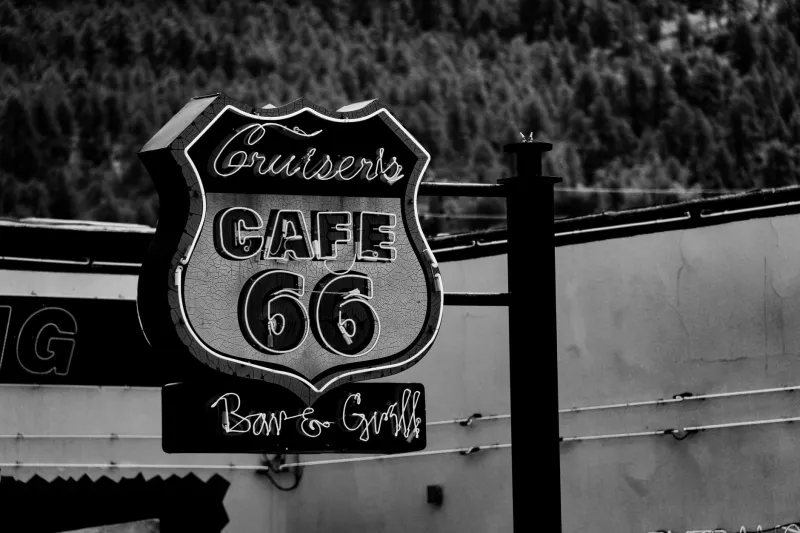
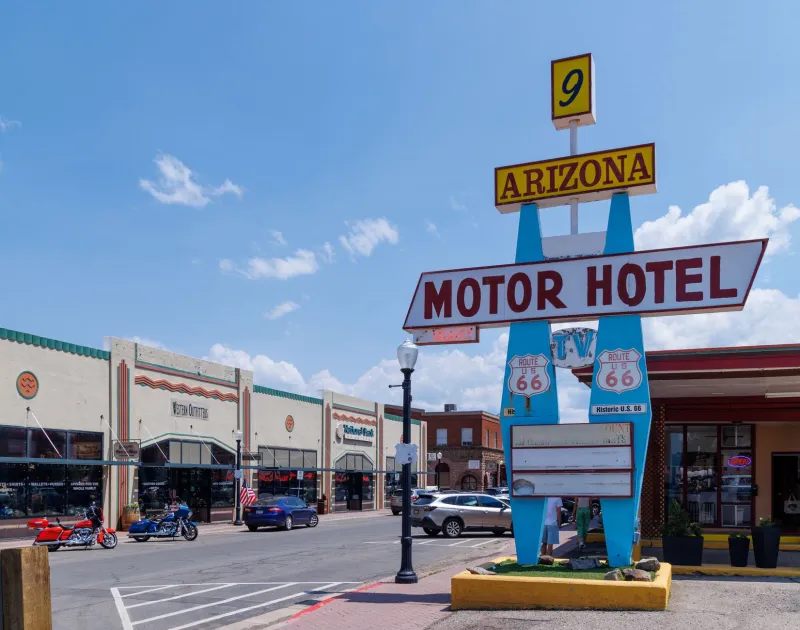
For centuries, getting lost was failure—until Americans decided to rebrand deviation as discovery. From frontier necessity to Route 66 mythology, the unplanned turn became our most planned experience.

The Weight of Proof: Why Humans Have Always Needed Objects to Make Travel Real
Travel History & Insight

The Weight of Proof: Why Humans Have Always Needed Objects to Make Travel Real

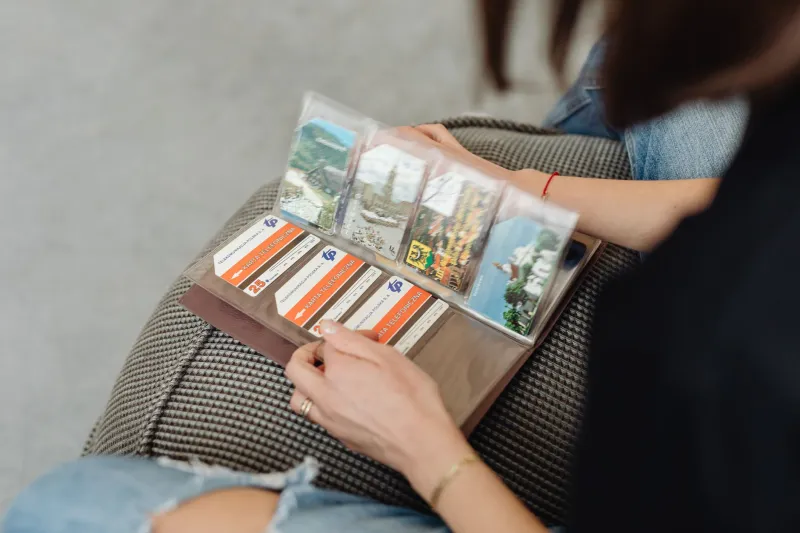
From ancient Roman tourists defacing monuments to modern travelers hoarding airport trinkets, the compulsion to collect physical proof of our journeys reveals an unchanging truth about human psychology. The souvenir was never about the place—it was always about making the intangible experience of travel into something others could see and understand.

The Standardization of Adventure: How America's Greatest Highway Project Killed the Journey
Travel History & Insight

The Standardization of Adventure: How America's Greatest Highway Project Killed the Journey

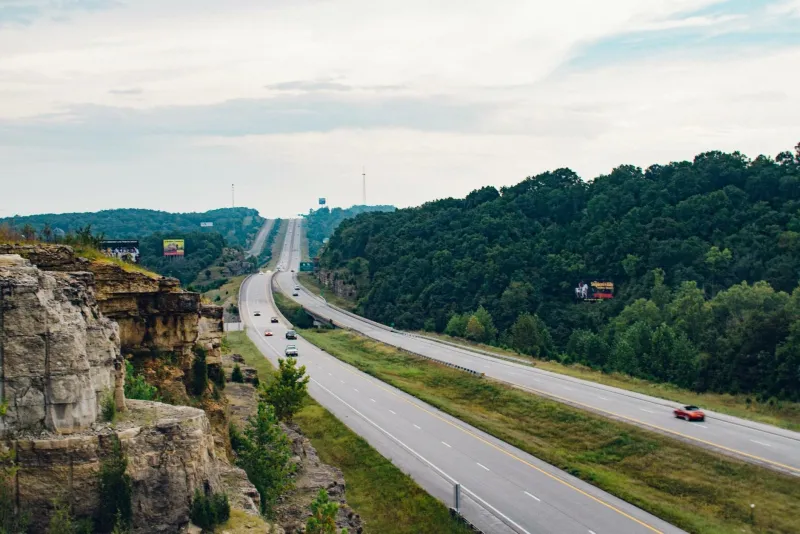
The Interstate Highway System promised Americans unlimited freedom to explore their continent. Instead, it created the most predictable travel experience in human history, replacing the uncertainty that had defined journeys for millennia with a managed ecosystem of identical experiences.

Doctor's Orders: How Medical Necessity Taught Americans to Buy Peace of Mind
Travel History & Insight

Doctor's Orders: How Medical Necessity Taught Americans to Buy Peace of Mind

The Adirondack 'cure cottages' and Colorado sanatoriums of the 1880s created the template for every wellness retreat Americans have purchased since. What began as desperate flights from tuberculosis became the blueprint for convincing healthy people they needed expert supervision to rest.

When Privacy Became a Product: How American Hotels Invented Solitude and Sold It Back to Us
Travel History & Insight

When Privacy Became a Product: How American Hotels Invented Solitude and Sold It Back to Us

For most of human history, traveling meant sleeping beside strangers and eating at communal tables. The Victorian hotel industry transformed privacy from an impossible luxury into a purchasable commodity, fundamentally altering how we understand restoration and retreat.

The Theater of Arrival: How America's Gilded Age Invented the Performance of Travel
Travel History & Insight

The Theater of Arrival: How America's Gilded Age Invented the Performance of Travel

Before social media transformed travel into content, America's elite spent fortunes orchestrating their appearances in hotel lobbies and resort dining rooms. The psychology driving today's travel posts has remained unchanged for 150 years.

The Manufactured Dream: How 19th-Century Resort Architects Invented Modern FOMO
Travel History & Insight

The Manufactured Dream: How 19th-Century Resort Architects Invented Modern FOMO

A century before Instagram influencers, America's grand hotel barons perfected the art of making ordinary people desperate to be somewhere else. The psychological machinery they built still runs your vacation decisions today.

Friction Is the Feature: What Stoics, Pilgrims, and Frontier Travelers Understood About Why Difficulty Makes a Journey Worth Keeping
Travel Strategy

Friction Is the Feature: What Stoics, Pilgrims, and Frontier Travelers Understood About Why Difficulty Makes a Journey Worth Keeping

Modern travel has been engineered to eliminate every form of inconvenience, and in doing so it has quietly removed the very elements that make a journey memorable. Stoic philosophers, medieval pilgrims, and the overland travelers of the nineteenth-century American frontier all grasped a principle the hospitality industry would prefer you forget: hardship is not an obstacle to meaningful travel but its oldest and most reliable engine. The worst trip you ever took may also be the most important on

The Predictable Rise and Fall of the American Resort Town: How to Read the Curve Before It Reads You
Destination Intelligence

The Predictable Rise and Fall of the American Resort Town: How to Read the Curve Before It Reads You

From Saratoga Springs to Atlantic City, American resort towns have been following the same arc of discovery, glamour, overcrowding, and decline for more than three centuries. The cycle is not a modern phenomenon produced by social media or mass tourism — it is a permanent feature of how human communities respond to desirable places. Understanding the pattern does not merely satisfy historical curiosity; it tells you precisely where the destinations you love are headed next.

Escape Has Always Been the Point: A Thousand Years of Newlywed Travel and What It Tells Us About Ourselves
Travel History & Insight

Escape Has Always Been the Point: A Thousand Years of Newlywed Travel and What It Tells Us About Ourselves

The honeymoon as a romantic institution is a Victorian invention, but the urge to flee one's ordinary life under the cover of a socially sanctioned journey is as old as marriage itself. Every era has dressed up the same fundamental desire in the costume of its own values. The history of newlywed travel is, in the end, a history of why human beings take vacations at all.

Before the Algorithm: What Medieval Pilgrims Knew About Getting There That Your Travel App Does Not
Destination Intelligence

Before the Algorithm: What Medieval Pilgrims Knew About Getting There That Your Travel App Does Not

Centuries before the first travel app promised to optimize your journey, medieval pilgrims crossing Europe toward Santiago de Compostela or Jerusalem were consulting detailed written guides that rated hospices, flagged dishonest money changers, and marked safe water sources by name. Those documents got certain things profoundly right that modern travel technology still gets wrong — and the pilgrim's underlying philosophy of movement may be the more durable lesson.

The American Elsewhere: Two Hundred Years of Fleeing Home and Finding Yourself in the Same Place
Travel Strategy

The American Elsewhere: Two Hundred Years of Fleeing Home and Finding Yourself in the Same Place

Washington Irving left for Europe in 1815 and did not return for seventeen years. Ernest Hemingway left for Paris in 1921 and never fully came back. The digital nomad currently filing invoices from a Lisbon café believes she has discovered something new. She has not. The American compulsion to flee toward a more 'real' elsewhere is not a modern symptom — it is a structural feature of the national psychology, and understanding its two-hundred-year history is the only honest way to evaluate whether your own departure is an escape or an evasion.