The past is the best guide to where you're going.

Long Memory Travel

The past is the best guide to where you're going.

Latest Articles

Doctor's Orders: How Medical Necessity Taught Americans to Buy Peace of Mind
Travel History & Insight

Doctor's Orders: How Medical Necessity Taught Americans to Buy Peace of Mind

The Adirondack 'cure cottages' and Colorado sanatoriums of the 1880s created the template for every wellness retreat Americans have purchased since. What began as desperate flights from tuberculosis became the blueprint for convincing healthy people they needed expert supervision to rest.

When Privacy Became a Product: How American Hotels Invented Solitude and Sold It Back to Us
Travel History & Insight

When Privacy Became a Product: How American Hotels Invented Solitude and Sold It Back to Us

For most of human history, traveling meant sleeping beside strangers and eating at communal tables. The Victorian hotel industry transformed privacy from an impossible luxury into a purchasable commodity, fundamentally altering how we understand restoration and retreat.

The Theater of Arrival: How America's Gilded Age Invented the Performance of Travel
Travel History & Insight

The Theater of Arrival: How America's Gilded Age Invented the Performance of Travel

Before social media transformed travel into content, America's elite spent fortunes orchestrating their appearances in hotel lobbies and resort dining rooms. The psychology driving today's travel posts has remained unchanged for 150 years.

The Manufactured Dream: How 19th-Century Resort Architects Invented Modern FOMO
Travel History & Insight

The Manufactured Dream: How 19th-Century Resort Architects Invented Modern FOMO

A century before Instagram influencers, America's grand hotel barons perfected the art of making ordinary people desperate to be somewhere else. The psychological machinery they built still runs your vacation decisions today.

Friction Is the Feature: What Stoics, Pilgrims, and Frontier Travelers Understood About Why Difficulty Makes a Journey Worth Keeping
Travel Strategy

Friction Is the Feature: What Stoics, Pilgrims, and Frontier Travelers Understood About Why Difficulty Makes a Journey Worth Keeping

Modern travel has been engineered to eliminate every form of inconvenience, and in doing so it has quietly removed the very elements that make a journey memorable. Stoic philosophers, medieval pilgrims, and the overland travelers of the nineteenth-century American frontier all grasped a principle the hospitality industry would prefer you forget: hardship is not an obstacle to meaningful travel but its oldest and most reliable engine. The worst trip you ever took may also be the most important on

The Predictable Rise and Fall of the American Resort Town: How to Read the Curve Before It Reads You
Destination Intelligence

The Predictable Rise and Fall of the American Resort Town: How to Read the Curve Before It Reads You

From Saratoga Springs to Atlantic City, American resort towns have been following the same arc of discovery, glamour, overcrowding, and decline for more than three centuries. The cycle is not a modern phenomenon produced by social media or mass tourism — it is a permanent feature of how human communities respond to desirable places. Understanding the pattern does not merely satisfy historical curiosity; it tells you precisely where the destinations you love are headed next.

Escape Has Always Been the Point: A Thousand Years of Newlywed Travel and What It Tells Us About Ourselves
Travel History & Insight

Escape Has Always Been the Point: A Thousand Years of Newlywed Travel and What It Tells Us About Ourselves

The honeymoon as a romantic institution is a Victorian invention, but the urge to flee one's ordinary life under the cover of a socially sanctioned journey is as old as marriage itself. Every era has dressed up the same fundamental desire in the costume of its own values. The history of newlywed travel is, in the end, a history of why human beings take vacations at all.

Before the Algorithm: What Medieval Pilgrims Knew About Getting There That Your Travel App Does Not
Destination Intelligence

Before the Algorithm: What Medieval Pilgrims Knew About Getting There That Your Travel App Does Not

Centuries before the first travel app promised to optimize your journey, medieval pilgrims crossing Europe toward Santiago de Compostela or Jerusalem were consulting detailed written guides that rated hospices, flagged dishonest money changers, and marked safe water sources by name. Those documents got certain things profoundly right that modern travel technology still gets wrong — and the pilgrim's underlying philosophy of movement may be the more durable lesson.

The American Elsewhere: Two Hundred Years of Fleeing Home and Finding Yourself in the Same Place
Travel Strategy

The American Elsewhere: Two Hundred Years of Fleeing Home and Finding Yourself in the Same Place

Washington Irving left for Europe in 1815 and did not return for seventeen years. Ernest Hemingway left for Paris in 1921 and never fully came back. The digital nomad currently filing invoices from a Lisbon café believes she has discovered something new. She has not. The American compulsion to flee toward a more 'real' elsewhere is not a modern symptom — it is a structural feature of the national psychology, and understanding its two-hundred-year history is the only honest way to evaluate whether your own departure is an escape or an evasion.

Captive Audiences and Captive Wallets: What the Railroad Hotel Era Reveals About Modern Luxury Travel
Travel History & Insight

Captive Audiences and Captive Wallets: What the Railroad Hotel Era Reveals About Modern Luxury Travel

When the transcontinental railroad stitched the American West together in the 1870s, the hospitality industry did not merely follow the tourists — it engineered them. The Fred Harvey Company and its imitators built a closed economic universe that travelers entered willingly and exited poorer, and the psychological architecture of that system has never actually been dismantled.

What Ibn Battuta Actually Packed: The Lost Art of Carrying Only What the Road Demands
Travel Strategy

What Ibn Battuta Actually Packed: The Lost Art of Carrying Only What the Road Demands

Modern Americans board long-haul flights with luggage that would have bewildered the most experienced travelers in human history — not because we have more needs, but because we have lost the generational knowledge that once told us exactly what those needs were. The merchant records, diplomatic dispatches, and personal accounts of Silk Road travelers offer a more rigorous packing philosophy than any influencer checklist, and it translates directly into practical guidance for anyone preparing a trip today.

The Adolescent Empire's Grand Tour: Why Every Rising Culture Eventually Packs Its Bags for Rome
Destination Intelligence

The Adolescent Empire's Grand Tour: Why Every Rising Culture Eventually Packs Its Bags for Rome

From young Roman aristocrats crossing the Aegean to study philosophy in Athens, to Georgian-era British lords cataloguing Florentine paintings, to today's American college graduate navigating the Paris Métro with a Rick Steves guide — the same journey keeps repeating itself across cultures and centuries. This is not sophistication. It is something older and more revealing: the universal coming-of-age ritual of a civilization that suspects, correctly, that it has not yet figured itself out.

Bedbugs, Bad Wine, and Rude Innkeepers: Roman Travelers Wrote Your TripAdvisor Reviews Two Thousand Years Ago
Travel History & Insight

Bedbugs, Bad Wine, and Rude Innkeepers: Roman Travelers Wrote Your TripAdvisor Reviews Two Thousand Years Ago

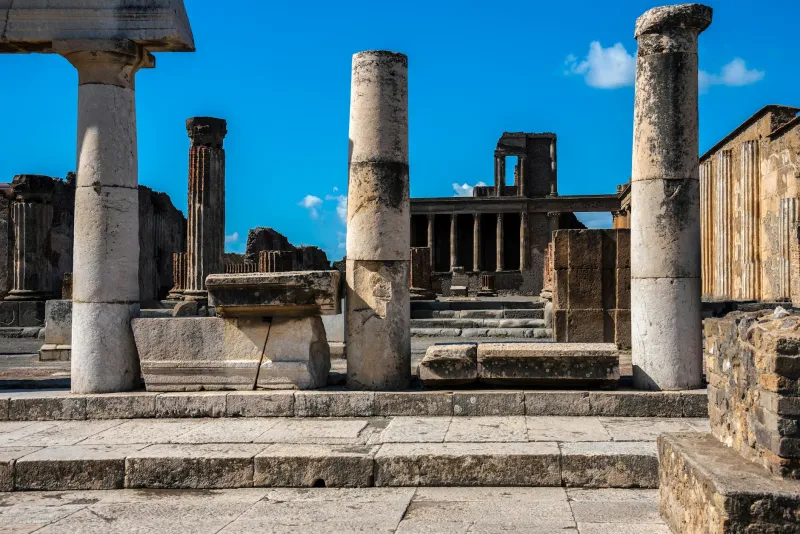
The grievances of Roman travelers — scrawled on walls, pressed into letters, and preserved across two millennia — read with uncanny familiarity to anyone who has ever rage-typed a hotel review at midnight. From Horace's sardonic road diary to the insults scratched into Pompeii's plaster, the evidence is overwhelming: the anxieties of being far from home have not changed in five thousand years of recorded human experience.

The Sacred Road You're Already On: Understanding the American Drive as Ritual Journey
Travel Strategy

The Sacred Road You're Already On: Understanding the American Drive as Ritual Journey

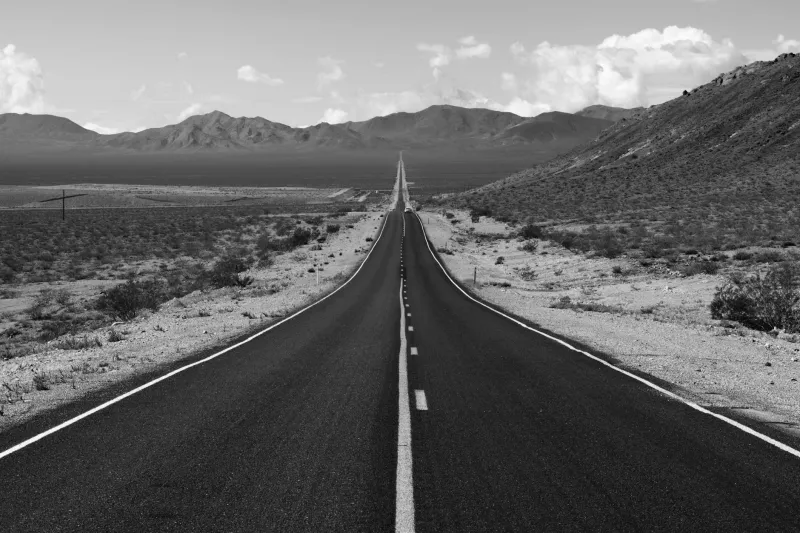
Medieval pilgrims endured blisters, bad weather, and the company of strangers to reach Canterbury or Compostela, and they came back changed — or at least reported that they did. Americans pack minivans and drive to Yellowstone under conditions that are, psychologically speaking, nearly identical. Recognizing the structural similarity is not merely an intellectual exercise; it is a framework that makes the journey more coherent and, evidence suggests, more satisfying.

The Pharaoh's Floating Resort: Ancient Egypt's All-Inclusive Cruises and the Vacation That Never Changes
Destination Intelligence

The Pharaoh's Floating Resort: Ancient Egypt's All-Inclusive Cruises and the Vacation That Never Changes

Wealthy Egyptians and their Greek visitors sailed the Nile on curated pleasure voyages complete with entertainment, scheduled shore excursions, and the persistent sensation of never having truly left their domestic world behind. The papyri and travel accounts that document these journeys raise a question that modern resort developers have not answered: does a vacation designed to eliminate discomfort also eliminate the possibility of genuine transformation?

Two Thousand Years of the Same Swindle: What Roman Travel Complaints Teach Us About Protecting Ourselves Today
Travel History & Insight

Two Thousand Years of the Same Swindle: What Roman Travel Complaints Teach Us About Protecting Ourselves Today

The graffiti scratched into Pompeii's walls and the careful observations recorded by ancient travel writers reveal something uncomfortable: the hustles that drain modern tourists' wallets are not new inventions. Human opportunism has operated on a remarkably consistent script for millennia, and the travelers who left records of it did us the favor of writing the countermeasures down.

Seneca Was Complaining About Tourists Before You Were Born — And He Was Right
Travel History & Insight

Seneca Was Complaining About Tourists Before You Were Born — And He Was Right

Ancient Roman writers documented the same overcrowded resorts, dishonest innkeepers, and overhyped destinations that fill modern review platforms today. The psychology of the disappointed traveler has not changed in two thousand years — and understanding that fact is the most practical travel tool you will ever acquire.

The Merchants Who Mastered the Journey: What Silk Road Caravanserais Can Teach You About Your Next Itinerary
Travel Strategy

The Merchants Who Mastered the Journey: What Silk Road Caravanserais Can Teach You About Your Next Itinerary

Medieval merchants who traversed the Silk Road built their entire commercial logic around the stops between major cities — because that is where the real value lived. Americans trained by hub-and-spoke air travel to treat transit as dead time are missing the most interesting places on earth, and a thousand years of travel journals explain exactly why.

Your 'Hidden Gem' Was Someone Else's Gilded Age Postcard: A Predictive Model for American City Discovery Cycles
Destination Intelligence

Your 'Hidden Gem' Was Someone Else's Gilded Age Postcard: A Predictive Model for American City Discovery Cycles

The cycle of an American city rising from obscurity to 'hidden gem' status to overcrowded disappointment is not a product of social media — Gilded Age Americans ran through the same pattern with Asheville, Galveston, and Saratoga Springs. A careful reading of that history produces something more useful than nostalgia: a working model for predicting which cities are next.