Democracy by Firelight: How America's Campfire Became Its Traveling Courtroom
The Portable Republic
Every evening on the Oregon Trail, as wagon trains circled for the night, America conducted one of its most important experiments in democracy. Strangers who had never met before departure from Independence, Missouri, suddenly found themselves creating a temporary society with rules, hierarchies, and systems of justice that would determine whether they lived or died over the next six months.
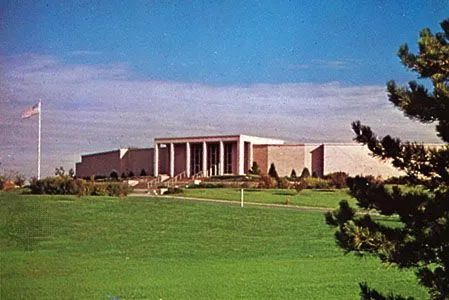 Photo: Independence, Missouri, via cdn.britannica.com
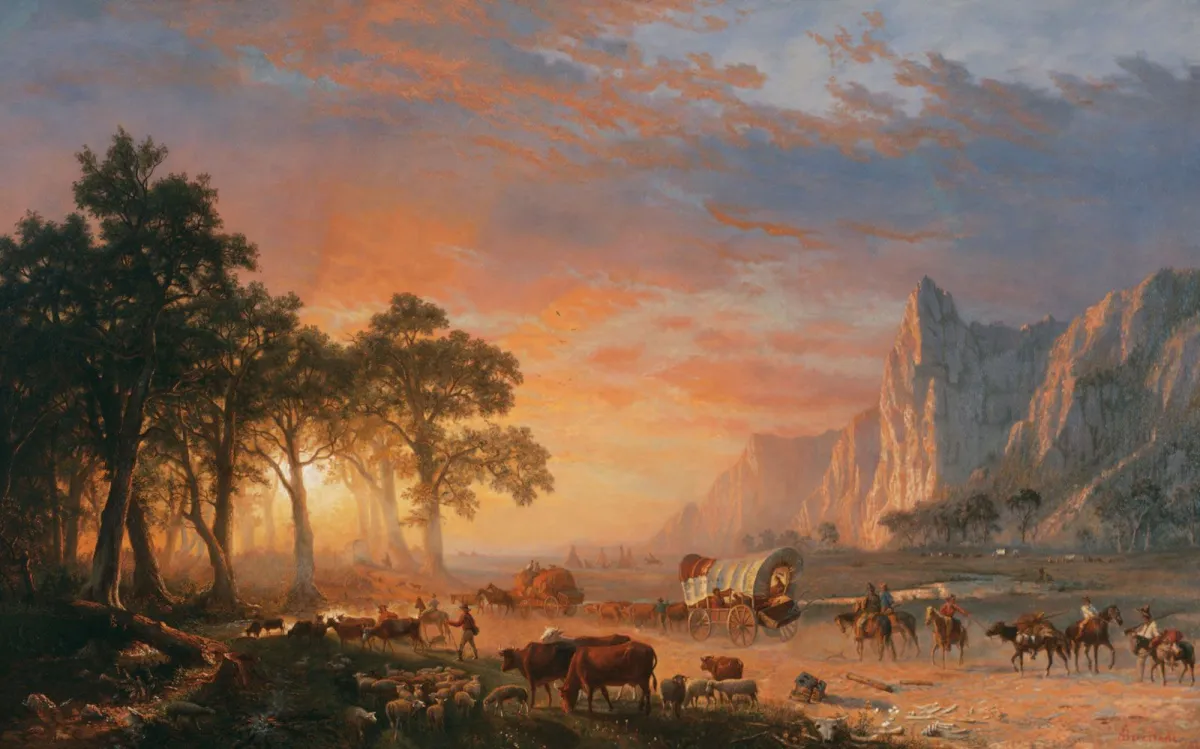 Photo: Oregon Trail, via cdn.britannica.com
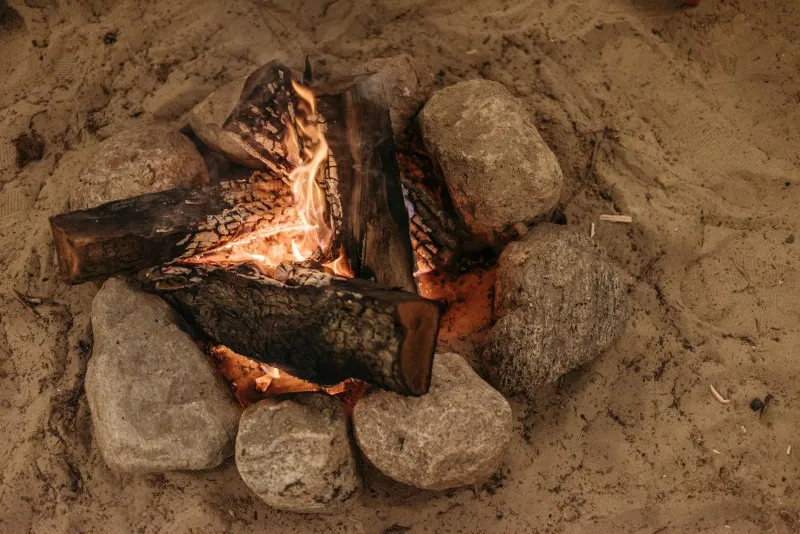
The campfire served as courthouse, legislative chamber, and social club simultaneously. Around its light, decisions were made about water rations, route changes, punishment for theft, and the hundred daily disputes that arose when families who had nothing in common except westward ambition were forced into intimate proximity for months at a time.
These nightly sessions established patterns of American social organization that persist in modern camping culture, corporate retreats, and anywhere Americans gather temporarily in unfamiliar territory. Understanding the unwritten rules that governed frontier camps provides a blueprint for navigating contemporary situations where strangers must quickly establish functional community.
The Hierarchy of Firelight
Campfire society operated under a deceptively simple but rigorously enforced social contract. The person who gathered the wood controlled the fire's size and duration. The person who provided the food determined the menu and portions. The person with the most trail experience—not necessarily the wealthiest or most educated—commanded respect in matters of route and safety.
This meritocracy of competence created a temporary suspension of the class distinctions that dominated Eastern society. A Harvard-educated lawyer found himself deferring to an illiterate mountain man who knew how to find water in alkali country. A wealthy merchant's wife learned to take orders from a farm woman who understood which roots were edible and which were poisonous.
The fire itself served as the physical manifestation of this social contract. Sitting closest to the flames was a privilege earned through contribution—wood gathering, cooking, standing watch, or possessing knowledge that kept the group alive. The outer ring of darkness was where shirkers and troublemakers found themselves relegated, still receiving the fire's warmth but excluded from the decision-making process.
The Economics of Mutual Aid
Frontier camps operated under an elaborate system of reciprocal obligation that modern economists would recognize as gift economy principles. Coffee was shared freely, but the person who provided it could expect help repairing a broken wagon wheel. Medical knowledge was offered without charge, but the doctor could count on others standing extra guard duty while he slept.
These exchanges were rarely explicit or immediately balanced. Instead, they created networks of obligation that strengthened group cohesion over time. The person who shared their sugar during the first week could call in that debt when their oxen went lame near South Pass. The woman who taught others to bake bread in dutch ovens earned the right to request help with childcare during river crossings.
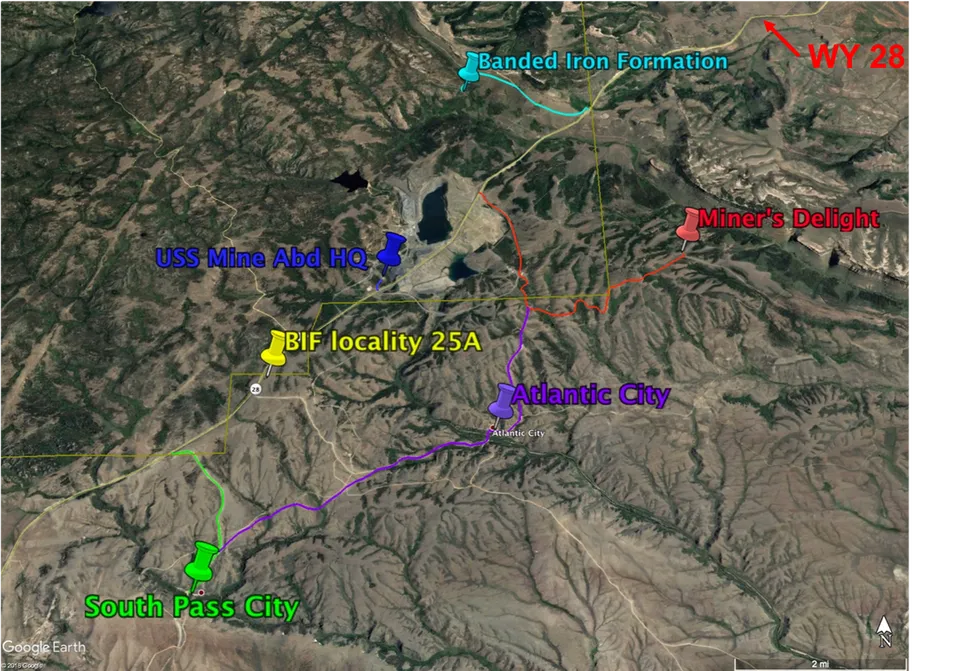 Photo: South Pass, via www.geowyo.com
This system required constant social calibration. Contributing too little marked you as a parasite. Contributing too much suggested either desperation for acceptance or an attempt to establish dominance through generosity. The most successful travelers learned to offer help slightly before it was needed and accept assistance slightly after it was offered.
The Jurisprudence of Necessity
When conflicts arose—and they always did—the campfire became a court of last resort. Theft, adultery, violence, and abandonment of duty were tried before the assembled company, with verdicts delivered by informal consensus rather than formal vote. Punishments ranged from public shaming to expulsion from the group, a sentence that often meant death in hostile territory.
These trials followed surprisingly consistent procedures across different wagon trains and time periods. Accusations were made publicly, with both accuser and accused presenting their cases to the assembled company. Witnesses testified under the social pressure of knowing they might need the group's protection themselves. Verdicts were reached through discussion that continued until opposition melted away rather than formal majority rule.
The most serious punishment was banishment—forcing someone to leave the protection of the group and continue alone. This sentence was reserved for crimes that threatened group survival: stealing food or water, abandoning guard duty, or violence against fellow travelers. Lesser offenses were punished through reduced rations, extra work assignments, or temporary exclusion from the campfire circle.
Modern Echoes in Campground Culture
Contemporary American camping unconsciously reenacts many of these frontier patterns. Walk through any KOA or national park campground, and you'll observe the same social dynamics that governed wagon trains: the careful negotiation of space boundaries, the unspoken rules about noise levels and cooking smells, the way experienced campers earn respect and newcomers defer to their knowledge.
The campfire pit serves the same social function it did 150 years ago. Families who would never speak in suburban neighborhoods find themselves sharing stories and resources around evening flames. Children who met that afternoon become temporary siblings. Adults discover common interests and exchange contact information they'll never use but genuinely mean to.
This modern camping culture reveals how deeply these frontier social patterns have embedded themselves in American psychology. We still expect temporary communities to form quickly around shared challenges. We still respect competence over credentials in outdoor settings. We still believe that people who choose to sleep under stars rather than roofs share fundamental values that transcend normal social divisions.
The Skills of Temporary Society
The frontier campfire tradition teaches specific skills that remain relevant for modern travelers:
Reading group dynamics quickly. Successful frontier travelers learned to identify the real decision-makers within hours of joining a wagon train. These weren't always the official leaders or the wealthiest members, but the people others turned to for advice about practical matters.
Contributing without dominating. The most successful campers offered help that strengthened the group without creating obligation or resentment. This required understanding what was needed most urgently and providing it without fanfare or expectation of credit.
Managing resource scarcity gracefully. When water was short or food was running low, successful travelers found ways to reduce their consumption without broadcasting their sacrifice or making others feel guilty about their needs.
Navigating conflict without escalation. In situations where people couldn't simply leave when disagreements arose, successful travelers learned to address problems directly but without forcing others to choose sides.
The Portable Constitution
The American campfire tradition represents one of the purest expressions of democratic principles in practice. Without formal laws, police, or courts, strangers consistently created functional societies based on consent, reciprocity, and merit. These temporary republics succeeded because they were voluntary—people could leave if they disagreed with group decisions—and because they were practical—decisions had immediate, observable consequences.
Modern Americans still carry this template for creating temporary community. It emerges in crisis situations, outdoor adventures, and anywhere people must quickly establish trust and cooperation with strangers. Understanding these patterns helps contemporary travelers recognize when they're participating in this ancient form of portable democracy and how to contribute to its success.
The campfire circle remains one of the most effective technologies for creating temporary trust between strangers. Around its light, Americans continue the experiment that began on the frontier: proving that democracy works best when it's voluntary, immediate, and tested against the practical demands of survival.