The Merchant's Logic: Why Ancient Travelers Never Bought Junk
When Travel Objects Had to Earn Their Keep
The medieval merchant returning from Constantinople carried silk that would become clothing, spices that would preserve food through winter, and tools that would improve his workshop for decades. The 18th-century sea captain brought home seeds for his wife's garden, techniques for his shipbuilding business, and medicines unavailable in his home port. These travelers understood something we've forgotten: the objects you carry home from a journey should make your life demonstrably better.
This wasn't sentiment—it was survival. When transportation was expensive, dangerous, and limited by what you could physically carry, every item had to justify its weight and space. The souvenir that served no practical purpose was a luxury literally no one could afford. Travel objects were investments, not commemorations.
The shift from useful to decorative travel purchases tracks precisely with the invention of leisure travel and the rise of industrial transportation. Once the train and steamship made it cheap and easy to bring home lightweight objects, Americans began buying things whose only function was to prove they had been somewhere. This marked the birth of the modern souvenir industry—and the death of the merchant's logic that had governed travel purchases for millennia.
The Economics of Embodied Knowledge
Pre-industrial travelers were essentially knowledge merchants. They carried home not just objects but the techniques, recipes, and methods that made those objects valuable. The spice merchant didn't just sell cardamom; he sold the knowledge of how to use cardamom in cooking, medicine, and preservation. The textile trader didn't just import silk; he imported the weaving techniques that made silk production possible.
This integration of object and knowledge created a completely different relationship with travel purchases. Every acquisition required the traveler to become an expert in its use, care, and application. You couldn't buy a bolt of unfamiliar fabric without learning how to work with it. You couldn't bring home exotic seeds without mastering their cultivation requirements.
The modern tourist who buys a decorative object has reversed this ancient logic entirely. Instead of acquiring knowledge that enables the use of objects, we acquire objects that substitute for knowledge. The souvenir magnet or keychain doesn't require us to learn anything; it simply announces that we were somewhere without demanding any deeper engagement with that place.
The Transformation of Travel Commerce
The 19th century witnessed the systematic industrialization of travel commerce, transforming destinations from sources of useful goods into factories for producing commemorative objects. Tourist-oriented businesses discovered they could manufacture "authentic" local products specifically designed to appeal to visitors who had no practical use for genuinely local goods.
This shift created the peculiar modern phenomenon of travel shopping that serves neither the buyer nor the seller's actual needs. The tourist who buys a mass-produced "handcrafted" item made specifically for tourists isn't engaging with local culture; they're participating in an elaborate performance of cultural exchange that benefits neither party's genuine interests.
Meanwhile, the genuinely useful products that locals actually make and use—the tools, techniques, and knowledge that could improve the traveler's life—became invisible to tourist commerce. The modern visitor to a traditional craft center is more likely to buy a decorative version of a functional object than to learn how the functional object actually works.
The Psychology of Useful Acquisition
Consider the psychological difference between buying a decorative plate painted with local scenery and learning to make the regional dish that would be served on such a plate. The decorative plate serves one function: reminding you that you visited a place. The cooking knowledge serves multiple functions: improving your daily nutrition, connecting you to the culture you visited, providing a skill you can share with others, and creating ongoing pleasure every time you prepare the dish.
This difference reveals something crucial about how memory and meaning actually work. The decorative souvenir attempts to preserve experience by freezing it in object form. But experience isn't something you can preserve—it's something you can only extend through ongoing practice and application.
The traveler who brings home a useful skill or technique doesn't need a commemorative object because they carry the experience forward through repeated use. Every time they apply what they learned, they're not just remembering the journey—they're continuing it.
The Modern Return to Merchant Logic
The most psychologically satisfying travel purchases today still follow the ancient merchant's logic, even when buyers don't consciously recognize the pattern. The tourist who brings home local honey, artisanal salt, or craft beer is unconsciously applying pre-industrial travel logic: acquiring something that will provide ongoing pleasure and utility long after the trip ends.
Similarly, travelers who invest in learning local cooking techniques, craft methods, or language skills are following the knowledge-merchant tradition of bringing home capabilities rather than just objects. These experiences resist the commodification that has degraded most tourist commerce because they can't be mass-produced or faked.
The rise of culinary tourism, craft workshops, and skill-based travel experiences represents a partial return to the merchant's understanding of what travel should produce. These activities work because they give travelers something genuinely useful to take home—knowledge and abilities that improve daily life rather than just decorating it.
Practical Applications for Modern Travelers
The merchant's logic suggests several practical strategies for contemporary travel shopping. First, prioritize consumables over decoratives. The local olive oil, tea, or spice blend that you'll actually use provides far more ongoing value than the ceramic figurine that will gather dust on a shelf.
Second, seek out learning opportunities that produce lasting capabilities. The afternoon spent learning to make local bread, tie regional knots, or identify indigenous plants creates knowledge you'll carry forward indefinitely. The souvenir shop visit creates only a temporary transaction.
Third, focus on tools and techniques that solve problems you actually have. The traditional cooking implement that improves your daily meal preparation, the local clothing item that performs better than your current wardrobe, the regional method for preserving food—these purchases justify themselves through ongoing utility.
The True Cost of Decorative Tourism
The modern souvenir industry doesn't just waste travelers' money—it wastes their attention. Every minute spent browsing decorative objects is a minute not spent learning something useful from local culture. Every dollar spent on commemorative junk is a dollar not invested in genuine cultural exchange.
More fundamentally, the decorative souvenir represents a profound misunderstanding of what travel is supposed to accomplish. The ancient merchant traveled to acquire things that would make life better. The modern tourist travels to acquire things that prove travel happened. The first approach treats travel as investment; the second treats it as consumption.
Recovering the Merchant's Wisdom
The merchant's logic offers a simple test for any travel purchase: will this object or knowledge make my life measurably better six months from now? If the answer is no, you're not buying a souvenir—you're buying a problem.
The traveler who applies this test consistently will find their relationship with destinations changing fundamentally. Instead of viewing places as sources of commemorative objects, you'll begin to see them as sources of useful knowledge, skills, and materials. Instead of shopping for proof that you were somewhere, you'll be investing in capabilities that extend the journey long after you return home.
This shift in perspective doesn't just improve travel shopping—it improves travel itself. When you're looking for things that will genuinely enhance your life, you pay attention differently, ask different questions, and form different relationships with the places and people you encounter. You travel like a merchant instead of a tourist, and you bring home treasures instead of trinkets.
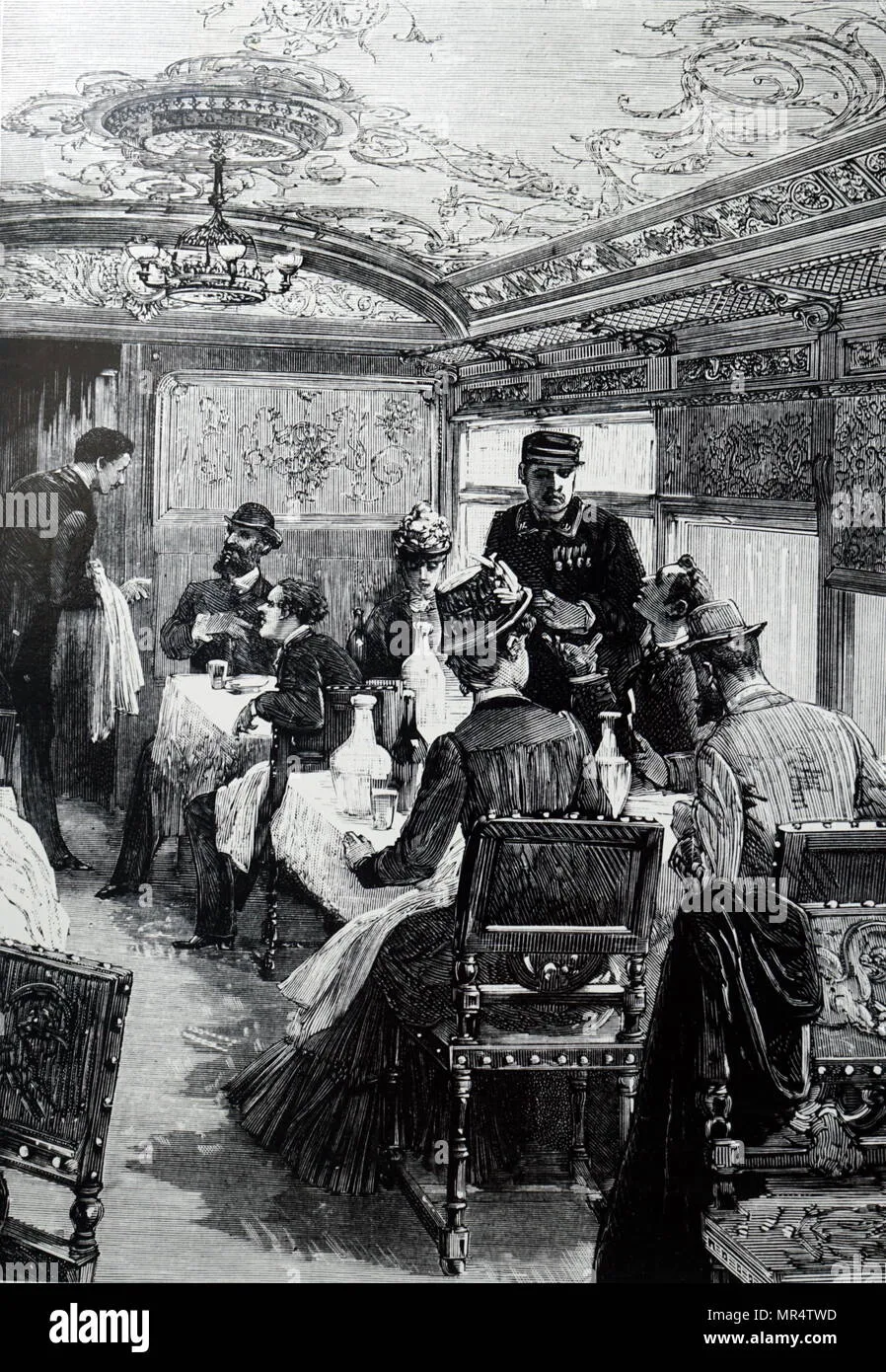 Photo: Orient Express, via c8.alamy.com