Sacred Theft: The American Compulsion to Own What Cannot Be Sold
The Gods Always Kept Better Records Than the Gift Shop
In the basement of the National Park Service headquarters in Washington, D.C., sits a collection that would have made ancient temple priests nod in recognition: thousands of stolen rocks, pottery shards, and petrified wood fragments, mailed back by guilty tourists along with handwritten confessions of subsequent bad luck. "Ever since I took this rock from the Grand Canyon, my marriage fell apart," reads one typical letter. "Please put it back where it belongs."
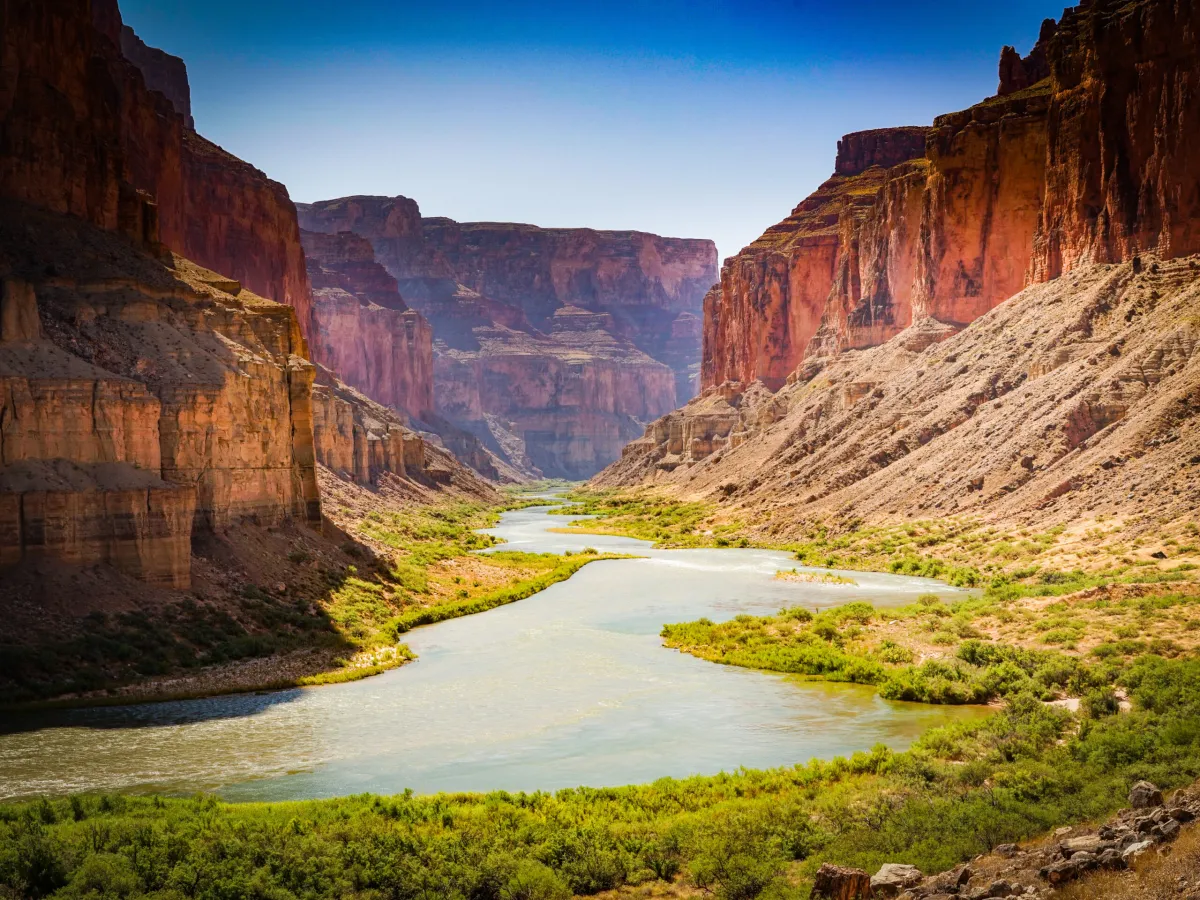 Photo: Grand Canyon, via www.americanrivers.org
The Romans would have called these "defixiones"—curse tablets left at temples by people seeking divine intervention for wrongs committed against sacred spaces. The mechanism is identical across millennia: take something that belongs to the gods, suffer consequences, attempt restitution through formal apology.
What makes the American version unique isn't the crime or the guilt—it's the systematic transformation of sacred theft into consumer choice.
When Shopping Became Spiritual Acquisition
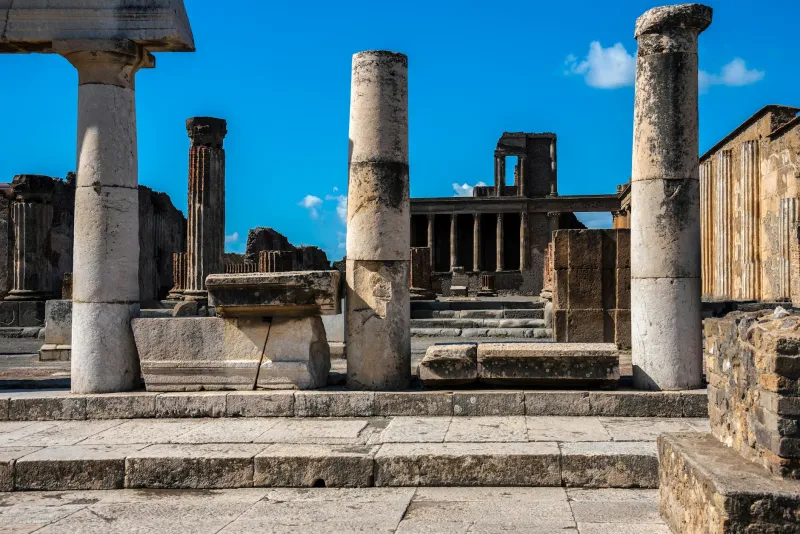
Ancient travelers understood a fundamental distinction that modern Americans have deliberately blurred: the difference between objects that could be purchased and objects that could only be experienced. Roman tourists bought replica statues in temple gift shops, but they knew better than to chip pieces off the actual Parthenon. Medieval pilgrims purchased badges and relics from authorized vendors, but stealing from shrines carried both legal and supernatural penalties.
America's innovation was the democratization of the untouchable. Our national mythology—built on concepts of manifest destiny and individual ownership—created a psychological framework where everything, including the sacred, became potentially possessable by anyone with sufficient determination.
This explains why American tourists consistently rank among the world's most frequent violators of archaeological sites and natural preserves. We've culturally conditioned ourselves to believe that authentic experience requires authentic ownership, and that authentic ownership sometimes requires taking what isn't offered for sale.
The Neuroscience of Forbidden Souvenirs
Contemporary brain research reveals why humans consistently steal from places they claim to love: the same neural pathways that create awe and reverence also trigger acquisition impulses. When we encounter something that moves us deeply, our brains literally confuse spiritual possession with physical possession.
This neurological reality explains the consistency of sacred theft across cultures. Egyptian tomb robbers, medieval relic hunters, and modern National Park visitors all experience the same synaptic misfire: the desire to make transcendent experiences permanent through material ownership.
The difference lies in cultural conditioning about acceptable responses to this impulse. Ancient societies channeled acquisition desires through authorized commerce—temple gift shops selling blessed replicas, pilgrimage badges, and sanctified souvenirs. Modern America eliminated this distinction by making everything seem equally available for purchase or appropriation.
The Gift Shop That Killed the Sacred
America's retail revolution fundamentally altered humanity's relationship with the untouchable. When Yellowstone became the world's first national park in 1872, it was also the first sacred landscape explicitly designed for mass consumption. The challenge wasn't protecting the wilderness from visitors—it was teaching visitors to consume wilderness without destroying it.
The solution was characteristically American: we commodified the sacred while criminalizing its unauthorized acquisition. Official Yellowstone souvenirs became legal substitutes for actual Yellowstone, creating a parallel economy of authentic-adjacent objects that satisfied acquisition impulses without depleting the source.
But this system contained a fundamental flaw: it trained Americans to expect that every meaningful place should offer something to take home. When visitors encountered landscapes or monuments that couldn't be legally commodified, the acquisition impulse remained but the authorized outlet disappeared.
The Psychology of Conscience Letters
The National Park Service's collection of returned stolen objects reveals the persistent power of what anthropologists call "sacred geography"—the human instinct to recognize certain places as fundamentally different from ordinary space. Even Americans raised in a culture of universal ownership retain this ancient psychological mechanism.
The language of conscience letters follows patterns established in ancient curse tablets and medieval confession literature. Thieves acknowledge transgression, report subsequent misfortune, request forgiveness, and attempt restitution. The specific details change—job loss instead of crop failure, divorce instead of plague—but the causal framework remains identical.
This suggests that sacred theft operates according to psychological rules that transcend cultural conditioning. No amount of retail sophistication can completely override the human instinct to recognize forbidden objects, and no amount of rationalization can eliminate the anxiety that follows their unauthorized acquisition.
The Economics of Authentic Guilt
Modern America has created a unique economic category: the authentic experience that can only be possessed through transgression. Legal Yellowstone souvenirs feel manufactured and artificial precisely because they are manufactured and artificial. Stolen Yellowstone rocks feel authentic and powerful precisely because their acquisition violated established boundaries.
This creates a perverse incentive structure where the most meaningful souvenirs are necessarily illegal, and the most legal souvenirs are necessarily meaningless. Gift shops offer simulation; sacred theft offers authenticity. The price of authenticity isn't money—it's guilt.
American consumer culture has trained us to expect that every desire can be satisfied through legitimate purchase. When we encounter desires that cannot be legally satisfied, we face a choice between accepting limitation or embracing transgression. The consistency of sacred theft suggests that many Americans choose transgression.
The Eternal Return of the Forbidden
Every generation of American travelers rediscovers the same truth that ancient peoples encoded in their laws and myths: certain objects carry the power of the places they come from, and that power doesn't transfer cleanly through commercial transaction. The rock stolen from Machu Picchu contains something that the rock purchased from the Machu Picchu gift shop lacks, and that something is precisely its forbidden status.
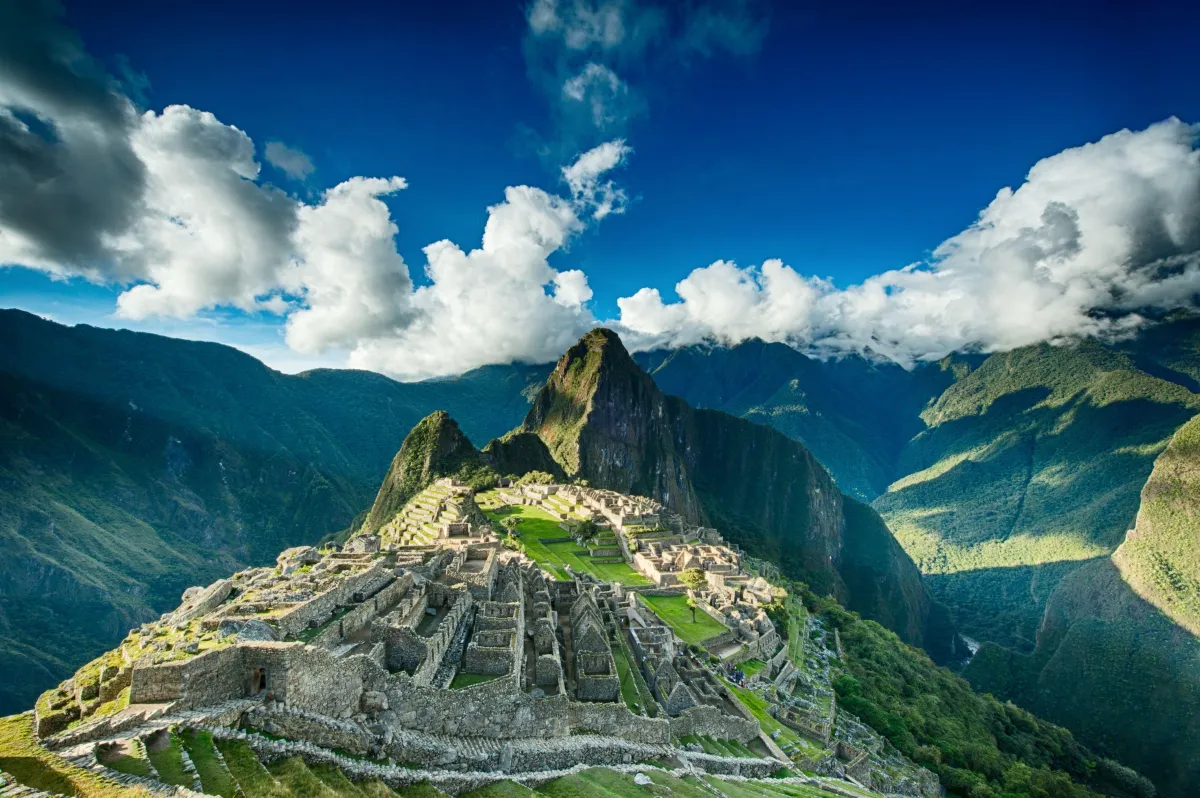 Photo: Machu Picchu, via wallpaperaccess.com
This explains why sacred theft persists despite legal penalties, social disapproval, and personal guilt. The crime provides access to an authentic relationship with landscape that legitimate commerce cannot replicate. The subsequent guilt confirms the authenticity of the relationship by demonstrating that boundaries were real and transgression was meaningful.
The next time you feel the urge to pocket a shell from a protected beach or chip a fragment from an ancient wall, recognize that you're experiencing humanity's oldest spiritual impulse: the desire to possess what cannot be owned. The question isn't whether this impulse is right or wrong—it's whether you'll satisfy it through theft or find another way to make the sacred portable.
After all, the gods have been keeping score for five thousand years, and they've never been impressed by good intentions.